Hepatitis B Immunoglobulin
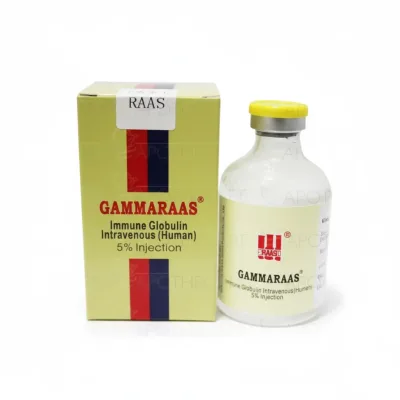
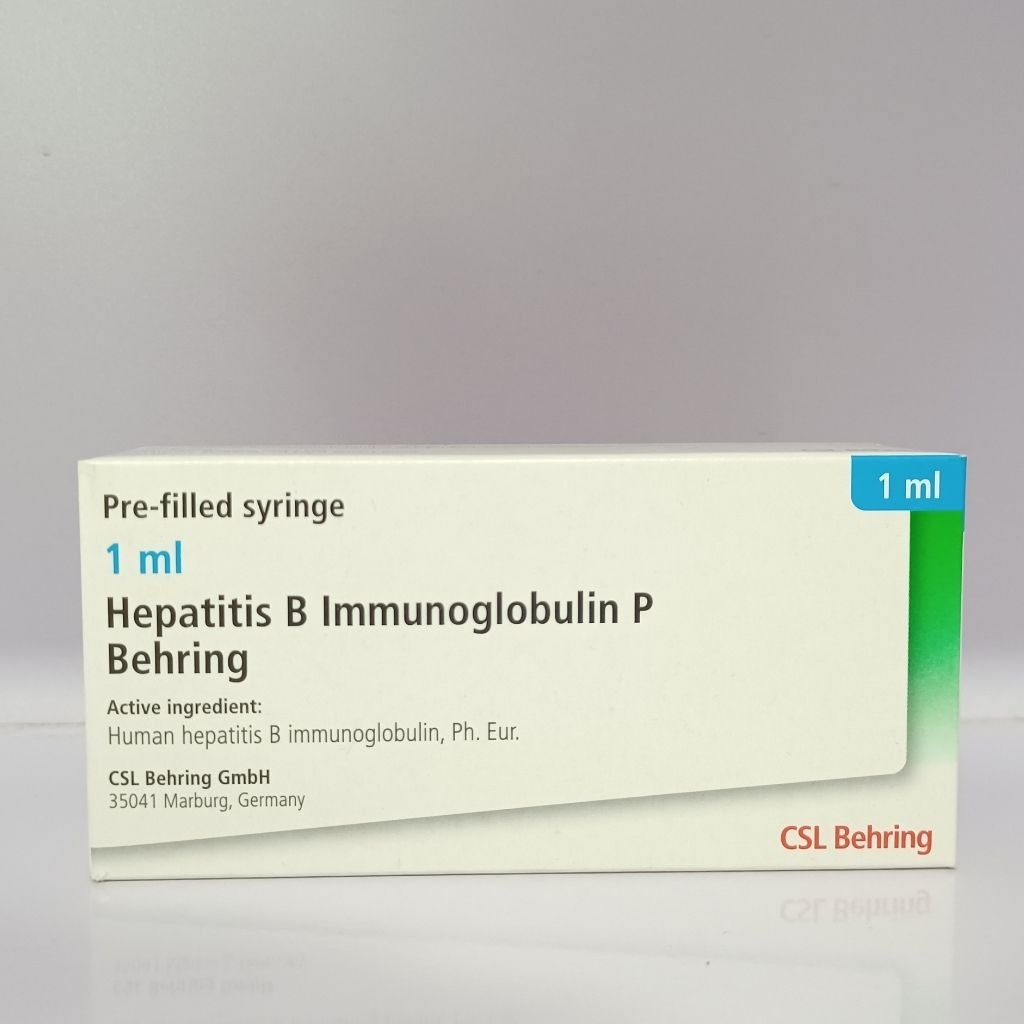
Hepatitis B Immunoglobulin contains specific antibodies against Hepatitis B virus, providing immediate passive immunity for post-exposure prophylaxis and prevention of Hepatitis B infection. Buy Hepatitis B Immunoglobulin at PakMeds for reliable post-exposure prevention and protection against Hepatitis B infection.
Hepatitis B Immunoglobulin (HBIG) is a human plasma derived injection that provides immediate, short term passive immunity against Hepatitis B virus (HBV) infection. It is used for postexposure prophylaxis in neonates born to HBsAg positive mothers, unvaccinated healthcare workers after needlestick injury, and liver transplant recipients at risk of HBV recurrence. Order Hepatitis B Immunoglobulin quickly and securely at PakMeds.
| Manufacturer | Various (plasma derived biological product) |
|---|---|
| Active Ingredient(s) | Human Hepatitis B Immunoglobulin G (IgG anti HBs) |
| Strength | 312 IU/mL (intramuscular); 500 IU/vial (intravenous formulations available) |
| Pack Size | Single dose vial (0.5 mL or 1 mL, depending on indication) |
| Prescription Required | Yes |
| Generic Name(s) | Hepatitis B Immune Globulin (Human); HBIG |
Hepatitis B Immunoglobulin Ingredients and Usage
Hepatitis B Immunoglobulin belongs to the hyperimmune globulin class of biological medicines. It is prepared from the pooled plasma of human donors who carry high concentrations of antibodies against the Hepatitis B surface antigen (HBsAg). The active component is purified immunoglobulin G (IgG), which is the antibody class responsible for sustained immune protection in the human body.
HBIG is indicated for postexposure prophylaxis in three primary clinical scenarios: neonates born to HBsAg positive mothers (given within 12 hours of birth), unvaccinated individuals exposed to HBV through needlestick injury or mucosal contact (given within 24 hours), and sexual contacts of confirmed HBsAg positive persons (given within 14 days of exposure). It is also used to prevent HBV recurrence after liver transplantation in HBsAg positive patients.
HBIG always works best as part of a combined regimen with the Hepatitis B vaccine. The vaccine provides durable long term immunity, while HBIG fills the critical window before the vaccine takes effect.
How Does Hepatitis B Immunoglobulin Work?
Hepatitis B Immunoglobulin delivers concentrated anti HBs antibodies directly into the bloodstream, a process called passive immunization. These IgG antibodies bind specifically to the Hepatitis B surface antigen (HBsAg) on circulating viral particles, neutralizing the virus before it can attach to and infect hepatocytes (liver cells).
The anti HBs antibodies may also block viral entry at the hepatocyte receptor level and trigger antibody mediated immune responses that target HBV infected cells. Following intramuscular administration, serum anti HBs concentrations peak within 3 to 7 days and provide passive protection for approximately 3 to 6 months. This protection window is sufficient for the Hepatitis B vaccine series to generate the recipient’s own active immune response.
Once administered, HBIG does not interfere with the concurrent Hepatitis B vaccine when both are given at separate injection sites. This combined passive active immunization approach achieves significantly higher protection rates than either product used alone.
Hepatitis B Immunoglobulin Side Effects
Hepatitis B Immunoglobulin is generally well tolerated. Most side effects are mild, localized, and resolve without treatment. Serious reactions are rare but require immediate medical attention.
- Pain, redness, or swelling at the injection site
- Headache
- Nausea
- Muscle pain (myalgia) and back pain
- General malaise or fatigue
- Low grade fever and chills
- Urticaria (hives) or skin rash
- Anaphylaxis (rare but potentially life threatening allergic reaction)
Warnings
- Contraindicated in patients with a known history of anaphylaxis or severe systemic reactions to human immunoglobulin preparations.
- Use with caution in patients with IgA deficiency — trace IgA present in some HBIG formulations (such as HepaGam B and Nabi HB) may trigger life threatening anaphylaxis in patients who have developed anti IgA antibodies.
- Avoid concomitant use with CAR T cell therapies (including axicabtagene ciloleucel, tisagenlecleucel) — mutual immunosuppressive effects increase infection risk.
- HBIG may reduce the efficacy of live vaccines including MMR and varicella. Separate administration by at least 3 months.
- Efgartigimod and nipocalimab (neonatal Fc receptor blockers) reduce HBIG serum levels — monitor closely for reduced protective efficacy.
- Severe thrombocytopenia is a relative contraindication for intramuscular use — use only if benefits outweigh risks.
- Patients with atherosclerosis or prolonged immobilization are at increased risk of thrombotic complications — use with caution.
- Elderly patients with pre existing renal, hepatic, or cardiac conditions may require dose adjustment and closer monitoring.
- HBIG is derived from human plasma — although rigorous donor screening and viral inactivation steps are applied, a residual theoretical risk of prion transmission exists.
- Pregnant women should receive HBIG only when clearly indicated, as reproductive safety data are limited.
Hepatitis B Immunoglobulin Storage Conditions
Store Hepatitis B Immunoglobulin between 2°C and 8°C (refrigerator temperature). Do not freeze — freezing destroys the immunoglobulin structure and renders the product inactive. Keep the vial in its original carton to protect it from light, as prolonged light exposure can degrade the protein content. Once a single dose vial is opened, it must be used within 6 hours — discard any remaining solution after this period without exception. Keep all vials out of reach of children and do not use any product that appears cloudy, discoloured, or contains visible particles. Check the expiry date printed on the label before administration and never use an expired vial.