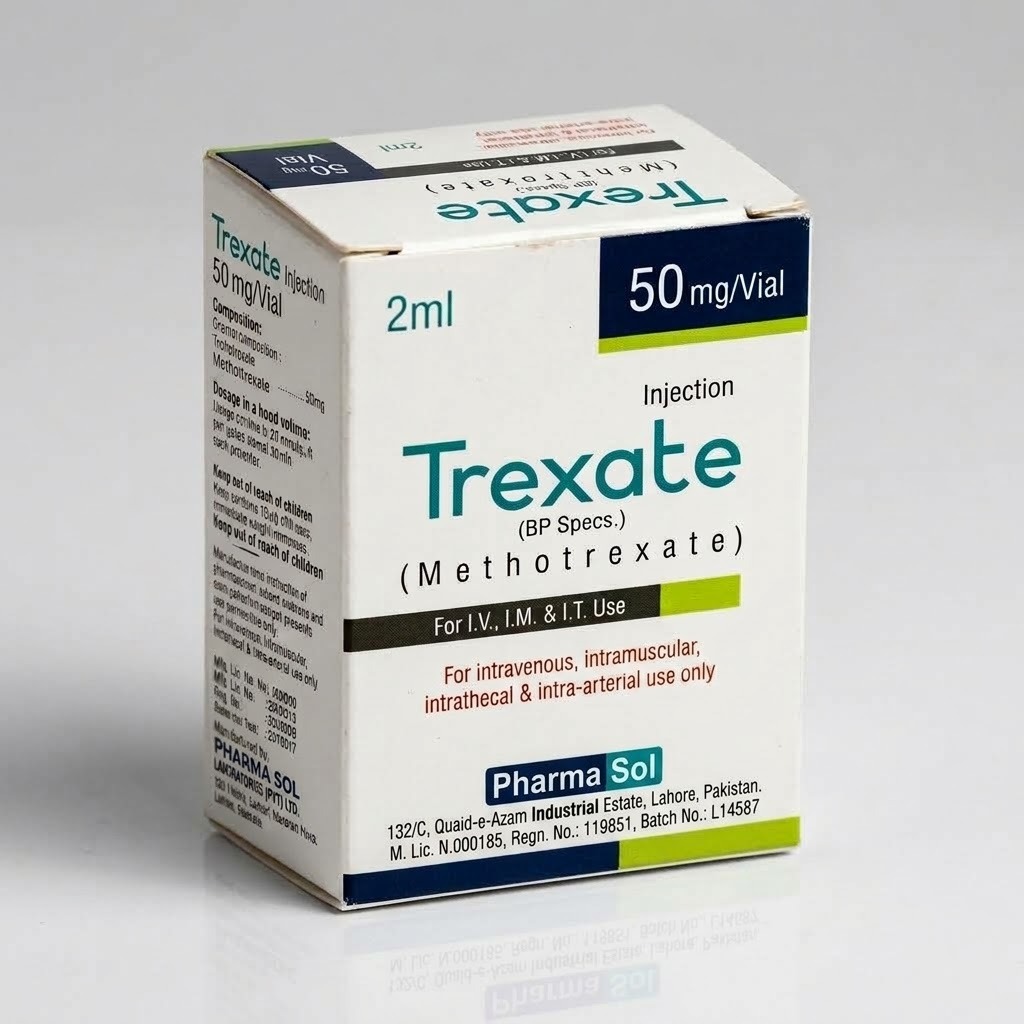
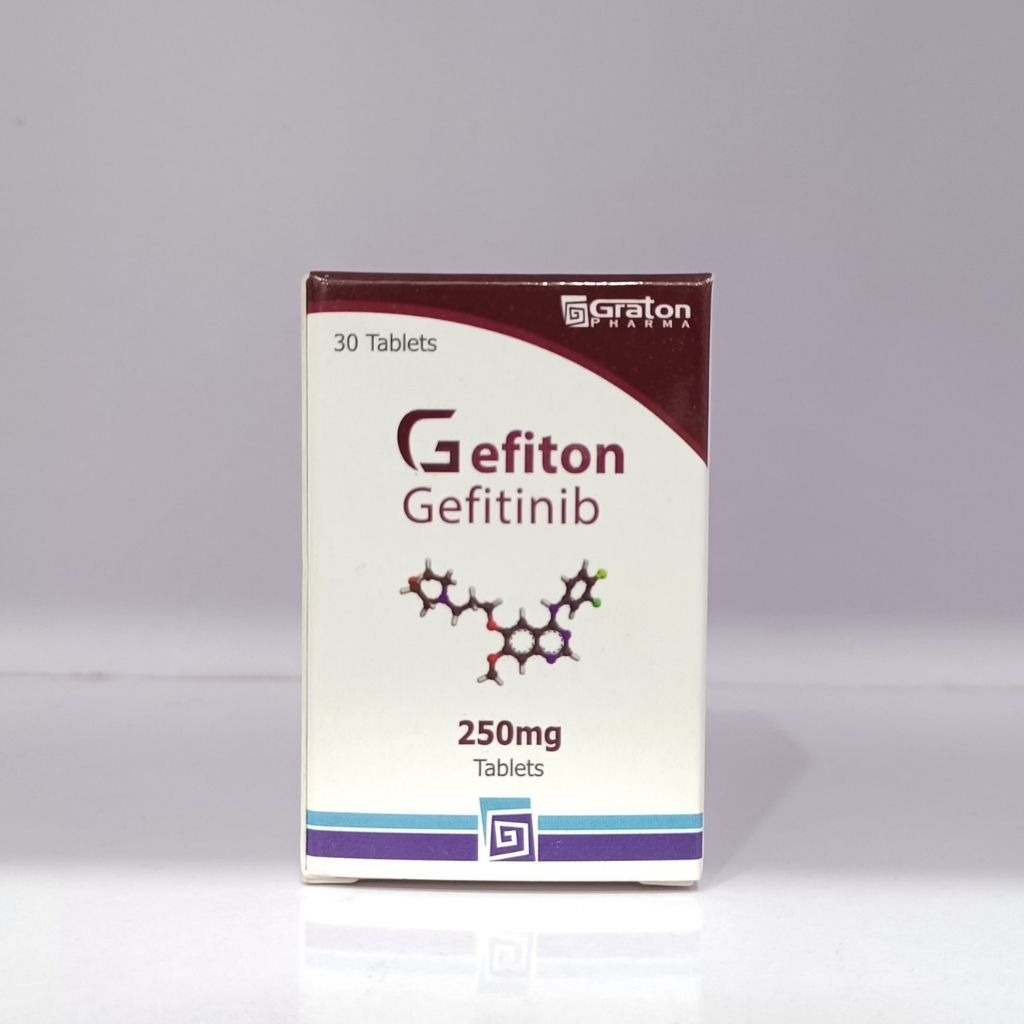
Gefiton 25mg Tab (Gefitinib)
Gefiton 25mg Tablets contain Gefitinib, an oral targeted therapy used to treat specific types of non-small cell lung cancer.
Overview
Gefiton 25mg Tablets contain the active ingredient Gefitinib, which belongs to a class of medications known as antineoplastic agents. It is specifically prescribed for the treatment of adult patients with locally advanced or metastatic non-small cell lung cancer (NSCLC) that possesses specific activating mutations of the epidermal growth factor receptor (EGFR) tyrosine kinase.
Key Benefits of Gefiton
Provides targeted oral therapy for specific types of advanced lung cancer.
Helps slow down or stop the growth of cancer cells expressing EGFR mutations.
Offers a convenient tablet form for home administration under medical supervision.
Aids in managing symptoms associated with advanced non-small cell lung cancer.
Gefiton Ingredients and Usage
Gefiton contains Gefitinib, which is classified as an epidermal growth factor receptor (EGFR) tyrosine kinase inhibitor. It is indicated as a first-line treatment for patients with metastatic non-small cell lung cancer (NSCLC) whose tumors have epidermal growth factor receptor exon 19 deletions or exon 21 substitution mutations as detected by an approved test.
It is also used in patients with locally advanced or metastatic non-small cell lung cancer who have previously received chemotherapy or for whom chemotherapy is not considered suitable, provided their cancer cells carry the specific EGFR gene mutations.
How Does Gefiton Work?
Gefitinib works by blocking the activity of an enzyme called epidermal growth factor receptor (EGFR) tyrosine kinase. EGFR is a protein found on the surface of some normal cells and is overexpressed or mutated on the surface of certain cancer cells.
By binding to EGFR and inhibiting its signaling pathway, Gefitinib prevents the activation of downstream proteins involved in cell proliferation, survival, and metastasis, thereby slowing or stopping the growth of the tumor.
How to Use Gefiton
Gefiton tablets should be taken orally, swallowed whole with a glass of water, and can be taken with or without food.
If you have difficulty swallowing tablets, the tablet can be dispersed in drinking water (non-carbonated) without crushing, stirred until dispersed, and swallowed immediately.
Always take this medicine exactly as prescribed by your oncologist, and do not alter your dose or stop treatment without consulting your doctor.
Gefiton Side Effects
Like all medicines, Gefiton can cause side effects, although not everybody gets them. Please inform your healthcare provider if you experience any new, unusual, or worsening symptoms during your treatment.
Diarrhea
Skin rash or acne
Dry skin
Nausea and vomiting
Loss of appetite
Nail disorders
Weakness or fatigue
Dry mouth
Warnings
Gefiton can cause severe interstitial lung disease, which can be life-threatening; seek immediate medical help if you develop sudden breathing difficulties, cough, or fever.
Severe liver injury has been reported with Gefitinib therapy, requiring regular liver function tests during treatment.
Gefiton can cause severe diarrhea, which may lead to dehydration; contact your doctor promptly if you experience persistent loose stools.
Serious skin reactions, including toxic epidermal necrolysis and Stevens-Johnson syndrome, have been observed in patients taking this medication.
Precautions and Who Should Avoid It
Inform your doctor if you have a history of lung disease, liver impairment, or kidney problems before starting Gefiton.
Do not use Gefiton during pregnancy as it can cause harm to the unborn baby; effective contraception must be used during treatment and for some time after the last dose.
Breastfeeding is not recommended while taking Gefiton due to potential risks to the nursing infant.
Tell your doctor if you wear contact lenses, as Gefitinib can cause eye dryness, corneal erosion, or abnormal eyelash growth.
Drug and Food Interactions
Medicines that reduce stomach acid, such as proton pump inhibitors and H2 antagonists, can lower the absorption and effectiveness of Gefiton.
Strong CYP3A4 inducers, such as rifampicin, phenytoin, and carbamazepine, can decrease the concentration of Gefitinib in your blood.
Strong CYP3A4 inhibitors, such as ketoconazole and itraconazole, can increase Gefitinib levels, raising the risk of side effects.
Gefiton may interact with blood thinners like warfarin, increasing the risk of bleeding, which requires regular monitoring.
Gefiton Storage Conditions
Store Gefiton tablets in their original packaging to protect them from moisture and light. Keep the medicine stored as directed on the label, away from direct heat and sunlight. Always keep this medication out of the sight and reach of children.
Customer Reviews
No reviews yet. Be the first to review this product!
Login to write a review