
Thyroid Cancer
1 products
1 products found
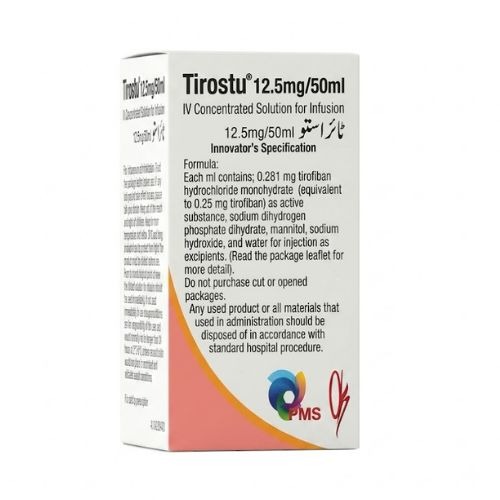
Showing 1 of 1
Buy Thyroid Cancer Medicines in Pakistan
This page is for general information only and is not medical advice or a recommendation to use any medicine. We only provide Thyroid medications on a valid prescription. See the full disclaimer below.
This category covers thyroid cancer medicines used to treat cancer of the thyroid gland in the neck. Treatment depends on the thyroid cancer type and usually combines radioactive iodine, thyroid hormone therapy and targeted therapy. The information below explains the main thyroid cancer treatment options and how they work, for general awareness.
Types of Thyroid Cancer
Thyroid cancer is grouped into several types, and each responds to different thyroid cancer medicines. Papillary and follicular types together are called differentiated thyroid cancer. The table below compares the main thyroid cancer types for general information.
Thyroid Cancer Type | Share of Cases | Key Notes |
|---|---|---|
Papillary thyroid cancer | About 80 percent | Most common, slow growing, differentiated |
Follicular thyroid cancer | About 10 to 15 percent | Differentiated, can spread through the blood |
Medullary thyroid cancer (MTC) | About 4 percent | Starts in C cells, often linked with RET gene changes |
Anaplastic thyroid cancer | About 2 percent | Rare and aggressive, often linked with BRAF changes |
Thyroid Cancer Medicine Categories
Thyroid cancer medicines belong to several drug classes that act on the cancer in different ways. The choice depends on the thyroid cancer type, stage and gene changes, and a specialist decides it. The table below outlines the main thyroid cancer treatment categories for general information.
Drug Class | Example Medicines (Brand) | How It Acts | Prescription |
|---|---|---|---|
Radioactive iodine | Iodine-131 (I-131, RAI) | Destroys thyroid and cancer cells that absorb iodine | Yes |
Thyroid hormone therapy | Levothyroxine (Euthyrox, Eltroxin, Synthroid) | Replaces thyroid hormone and lowers TSH that can fuel cancer | Yes |
Multikinase inhibitors | Lenvatinib (Lenvima), Sorafenib (Nexavar) | Block tumor blood vessel growth in iodine resistant cancer | Yes |
RET inhibitors | Selpercatinib (Retevmo), Pralsetinib (Gavreto) | Block the abnormal RET protein that drives cancer growth | Yes |
Medullary thyroid cancer kinase inhibitors | Vandetanib (Caprelsa), Cabozantinib (Cometriq) | Block several kinase signals in medullary thyroid cancer | Yes |
BRAF and MEK inhibitors | Dabrafenib (Tafinlar) plus Trametinib (Mekinist) | Block the BRAF pathway in anaplastic thyroid cancer | Yes |
NTRK inhibitors | Larotrectinib (Vitrakvi), Entrectinib (Rozlytrek) | Block proteins made by NTRK gene fusions | Yes |
Radioactive Iodine and Thyroid Hormone Therapy
Most thyroid cancers are differentiated thyroid cancer, meaning the papillary or follicular type. After surgery to remove the thyroid gland (thyroidectomy), two thyroid cancer treatments are common for these types.
Radioactive iodine (RAI): radioactive iodine, also called iodine-131, is swallowed and absorbed by thyroid and cancer cells. The radiation then destroys those cells. It works for differentiated thyroid cancer but not for medullary or anaplastic thyroid cancer.
Thyroid hormone therapy: once the thyroid is removed, the body can no longer make thyroid hormone. Levothyroxine replaces this hormone and also lowers thyroid stimulating hormone (TSH), which can stimulate remaining cancer cells. This is called TSH suppression.
Targeted Therapy by Gene Change
When radioactive iodine no longer works, doctors test the thyroid cancer for gene changes and may use targeted therapy. These kinase inhibitors block specific signals that drive thyroid cancer growth.
Iodine resistant differentiated thyroid cancer: lenvatinib or sorafenib block tumor blood vessel growth.
RET gene changes: selpercatinib or pralsetinib target the abnormal RET protein in medullary and some differentiated thyroid cancers.
Medullary thyroid cancer: vandetanib and cabozantinib block several kinase signals in this type.
BRAF positive anaplastic thyroid cancer: dabrafenib combined with trametinib targets the BRAF pathway.
NTRK gene fusions: larotrectinib or entrectinib block the proteins these fusions produce.
How Thyroid Cancer Medicines Work
Thyroid cancer medicines act through different mechanisms, and they are often combined or used in sequence. The plan depends on the thyroid cancer type and its gene profile. The points below explain each main approach.
Radioactive iodine is absorbed by thyroid and cancer cells, and its radiation then destroys them. It works only for differentiated thyroid cancer.
Thyroid hormone therapy with levothyroxine replaces lost thyroid hormone and lowers TSH so it cannot stimulate cancer cells.
Kinase inhibitors such as lenvatinib block the signals and blood vessels that tumors need to grow. They are taken as daily tablets.
Mutation specific inhibitors target a single gene change, such as RET, BRAF or NTRK, identified by molecular testing.
Key Facts About Thyroid Cancer Medicines
Thyroid cancer medicines are prescription only and require close specialist supervision. The points below are general facts about this medicine category.
Prescription: all thyroid cancer medicines require a valid prescription from a registered specialist.
Cancer type: differentiated, medullary and anaplastic thyroid cancers respond to different medicines.
Radioactive iodine: works only for thyroid cancers that still absorb iodine.
Monitoring: doctors track thyroglobulin and TSH blood levels, along with scans, to follow the cancer.
Side effects: kinase inhibitors are associated with high blood pressure, fatigue, diarrhoea and hand foot skin reactions.
Administration: levothyroxine and kinase inhibitors are tablets, while radioactive iodine is given as a capsule or drink under safety precautions.
Frequently Asked Questions
What medicines are used to treat thyroid cancer?
Thyroid cancer is treated with radioactive iodine, thyroid hormone therapy and targeted kinase inhibitors. Differentiated thyroid cancer often uses radioactive iodine and levothyroxine after surgery. Advanced or iodine resistant thyroid cancer may use drugs such as lenvatinib, sorafenib or selpercatinib. A specialist decides the plan.
What is radioactive iodine treatment for thyroid cancer?
Radioactive iodine, also called iodine-131 or RAI, is swallowed as a capsule or drink. Thyroid and cancer cells absorb the iodine, and the radiation then destroys them. It is used for papillary and follicular thyroid cancer, not for medullary or anaplastic types.
Why is levothyroxine used after thyroid cancer?
After the thyroid is removed, levothyroxine replaces the hormone the gland used to make. It also lowers thyroid stimulating hormone (TSH), which can encourage any remaining cancer cells. This is known as TSH suppression.
What targeted therapies treat advanced thyroid cancer?
Advanced thyroid cancer may be treated with kinase inhibitors chosen by gene testing. Lenvatinib and sorafenib are used for iodine resistant differentiated thyroid cancer. Selpercatinib and pralsetinib target RET changes, while dabrafenib with trametinib targets BRAF in anaplastic thyroid cancer.
What are the common side effects of thyroid cancer medicines?
Kinase inhibitors are commonly associated with high blood pressure, fatigue, diarrhoea and hand foot skin reactions. Radioactive iodine can cause dry mouth and temporary taste changes. A doctor should review any severe or unusual symptoms.
Are thyroid cancer medicines available in Pakistan at PakMeds?
Yes, thyroid cancer medicines are available in Pakistan at PakMeds. We offer genuine products from registered brands, although the medicines are restricted to a valid prescription. We will not facilitate or entertain any orders without a valid prescription.
Disclaimer
The information on this page is provided for general educational purposes only and does not constitute medical advice. It is not a recommendation to use any specific medicine, and it should not replace consultation with a qualified healthcare professional.
Thyroid cancer must be diagnosed, treated and monitored by a registered oncologist or endocrinologist. Never start, stop or change any medication without your doctor's guidance. Always read the official product leaflet and follow your healthcare provider's instructions.