
Prostate Cancer
3 products
3 products found
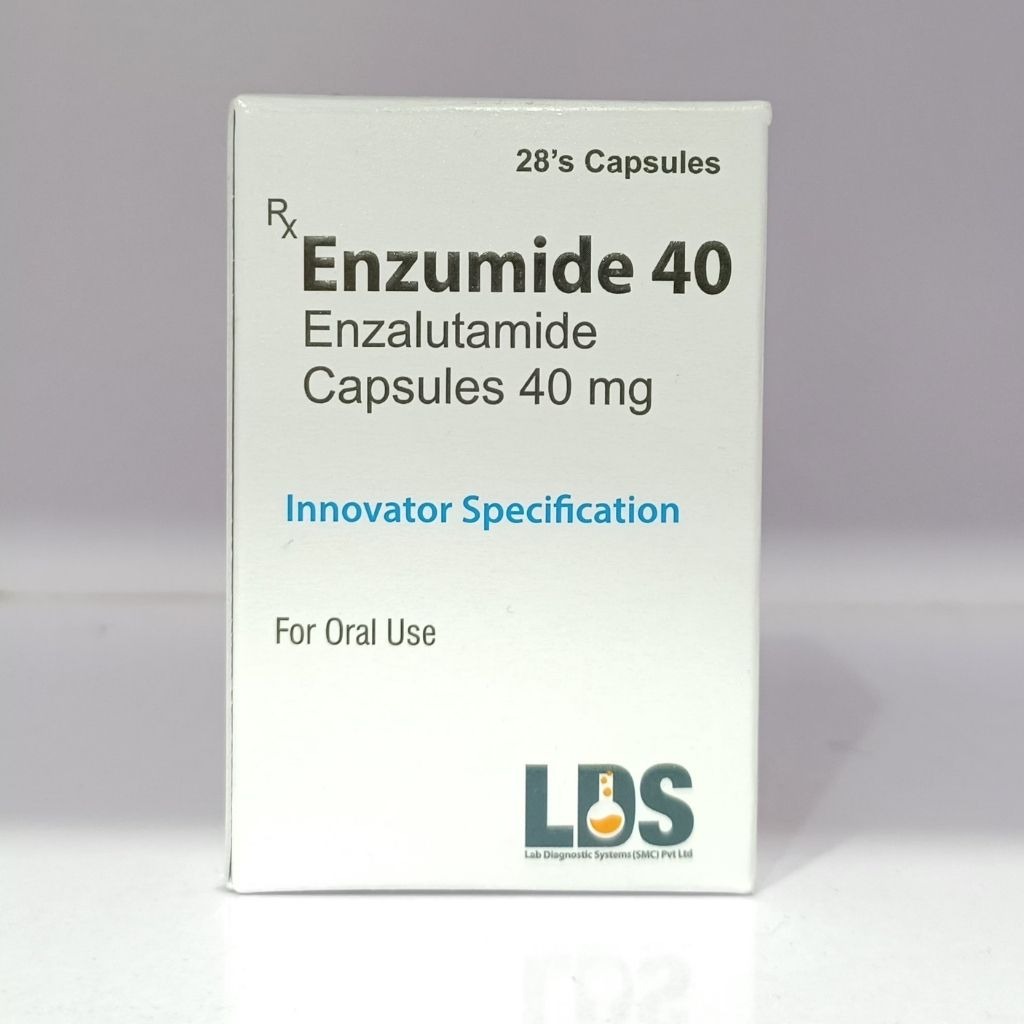
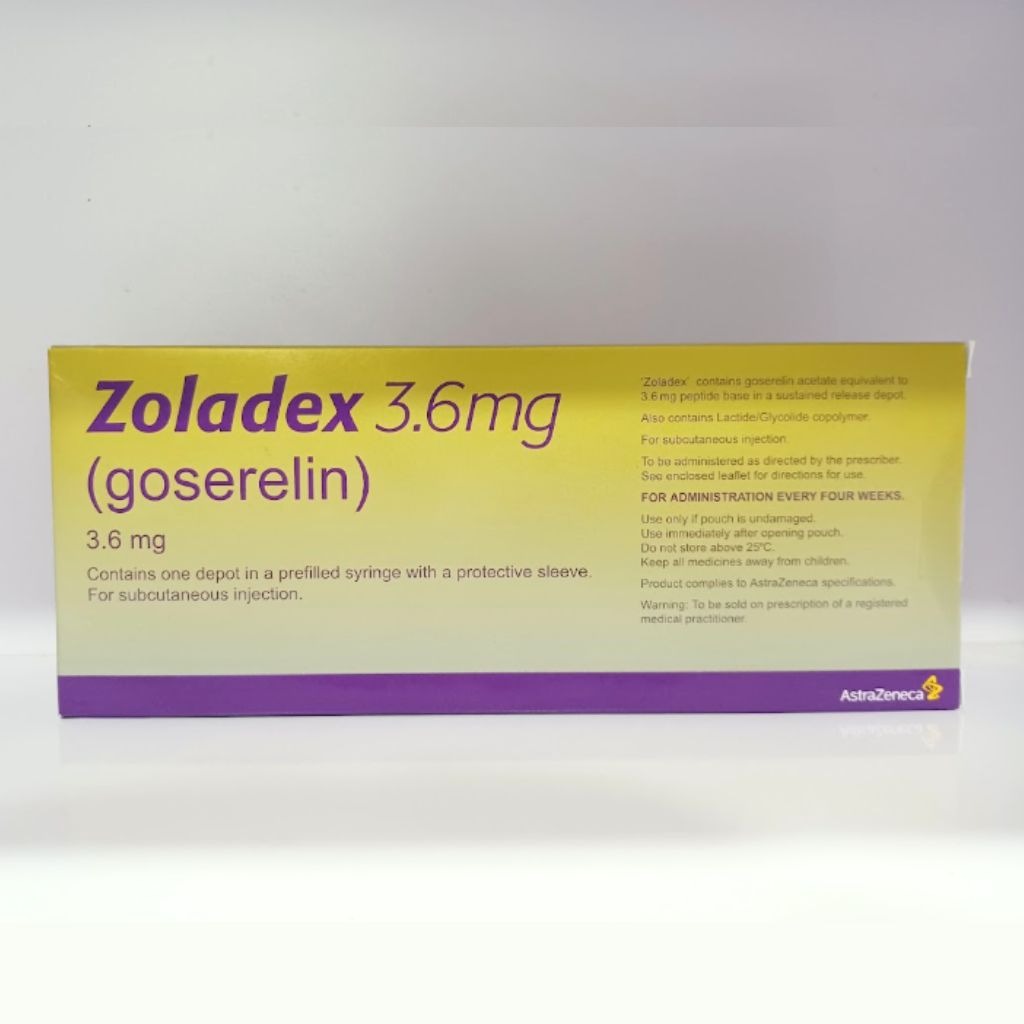
Showing 3 of 3
Prostate Cancer Medicines in Pakistan: Information Guide
This page is for general information only and is not medical advice or a recommendation to use any medicine. See the full disclaimer below.
This category covers prostate cancer medicines used to slow, shrink or control cancer of the prostate gland. Most treatments work by lowering or blocking the male hormones that fuel the cancer. The information below explains the main medicine categories and how they work, for general awareness.
Why Hormone Therapy Is Central to Prostate Cancer
Most prostate cancers depend on male hormones called androgens, mainly testosterone, to grow. Lowering or blocking these hormones can slow or shrink the cancer. This approach is called hormone therapy or androgen deprivation therapy (ADT), and it is the foundation of treatment for advanced prostate cancer.
When hormone therapy stops working, doctors may add chemotherapy, radiopharmaceuticals or other medicines. The treatment plan depends on the stage and on how the cancer responds over time.
Prostate Cancer Medicine Categories
Prostate cancer medicines belong to several drug classes that act on the cancer in different ways. The choice depends on the stage, hormone status and the patient's overall health, and a specialist decides it. The table below outlines the main categories for general information.
Drug Class | Example Medicines (Brand) | How It Acts | Prescription |
|---|---|---|---|
LHRH agonists | Leuprolide (Lupron), Goserelin (Zoladex), Triptorelin | Lower the testosterone that fuels prostate cancer | Yes |
LHRH antagonists | Degarelix (Firmagon), Relugolix (Orgovyx) | Reduce testosterone production quickly | Yes |
Androgen receptor blockers (first generation) | Bicalutamide (Casodex), Flutamide, Nilutamide | Block testosterone from reaching cancer cells | Yes |
Androgen receptor pathway inhibitors (newer generation) | Enzalutamide (Xtandi), Apalutamide (Erleada), Darolutamide (Nubeqa) | Block androgen signals more strongly than older drugs | Yes |
Androgen synthesis inhibitor | Abiraterone (Zytiga) with prednisone | Stops the body making testosterone from other sources | Yes |
Chemotherapy (taxanes) | Docetaxel (Taxotere), Cabazitaxel (Jevtana) | Kill rapidly dividing cancer cells | Yes |
Radiopharmaceuticals | Radium-223 (Xofigo), Lutetium-177 PSMA (Pluvicto) | Deliver targeted radiation to cancer in the bones | Yes |
Other options used in selected cases include the immunotherapy sipuleucel-T (Provenge), PARP inhibitors such as olaparib for inherited BRCA gene changes, and bone protecting agents such as denosumab and zoledronic acid.
Hormone Sensitive vs Castration Resistant Prostate Cancer
Doctors describe prostate cancer by how it responds to lowering testosterone. This status guides which medicines are considered. The table below compares the two stages for general information.
Feature | Hormone Sensitive Prostate Cancer | Castration Resistant Prostate Cancer (CRPC) |
|---|---|---|
Meaning | Cancer still responds to lowering testosterone | Cancer grows despite very low testosterone |
Typical medicine types | ADT, often with an androgen receptor pathway inhibitor or docetaxel | Pathway inhibitors, chemotherapy, radiopharmaceuticals |
Monitoring | PSA blood test and scans | PSA blood test and scans |
How Prostate Cancer Medicines Work
Prostate cancer medicines act through different mechanisms, and they are often used in sequence or combination. The plan depends on the cancer stage and hormone status. The points below explain each main approach.
Hormone therapy lowers testosterone or blocks it from reaching cancer cells. LHRH agonists and antagonists reduce how much testosterone the body makes. Androgen receptor blockers and newer inhibitors stop testosterone from signalling the cancer to grow.
Androgen synthesis inhibitors such as abiraterone stop the body making testosterone from the adrenal glands and tumor. They are taken with a steroid such as prednisone.
Chemotherapy such as docetaxel kills rapidly dividing cancer cells. It is often used when hormone therapy stops controlling the cancer.
Radiopharmaceuticals such as radium-223 travel to cancer deposits in the bones. They deliver radiation directly to those areas.
Key Facts About Prostate Cancer Medicines
Prostate cancer medicines are prescription only and require close specialist supervision. The points below are general facts about this medicine category.
Prescription: all prostate cancer medicines require a valid prescription from a registered oncologist or urologist.
Hormone dependence: most prostate cancers respond to lowering testosterone, at least at first.
PSA monitoring: doctors track the prostate specific antigen (PSA) blood level to check the response.
Resistance: cancer that grows despite low testosterone is called castration resistant prostate cancer.
Side effects: hormone therapy can cause hot flushes, fatigue, bone thinning and loss of libido.
Administration: some medicines are oral tablets, while others are injections or infusions given in a clinic.
Frequently Asked Questions
What medicines are used to treat prostate cancer?
Prostate cancer is treated mainly with hormone therapy that lowers or blocks testosterone. Options include LHRH agonists such as leuprolide, androgen receptor pathway inhibitors such as enzalutamide, and abiraterone. Chemotherapy and radiopharmaceuticals may be added in advanced disease. An oncologist or urologist decides the plan.
What is hormone therapy for prostate cancer?
Hormone therapy, also called androgen deprivation therapy, lowers the male hormones that fuel prostate cancer. It uses injections such as leuprolide or tablets such as bicalutamide and enzalutamide. The aim is to slow or shrink the cancer by cutting off its hormone supply.
What is castration resistant prostate cancer?
Castration resistant prostate cancer keeps growing even when testosterone is very low. It can develop after a period of successful hormone therapy. Doctors then consider stronger hormone inhibitors, chemotherapy or radiopharmaceuticals.
Why is the PSA test used during treatment?
The prostate specific antigen (PSA) test measures a protein made by the prostate. A rising or falling PSA level helps doctors judge how the cancer responds to medicine. It is used alongside scans to monitor treatment.
Are prostate cancer medicines tablets or injections?
Both forms are used. Many hormone therapies such as enzalutamide, apalutamide and abiraterone are oral tablets. LHRH agonists such as leuprolide are injections, and chemotherapy and radiopharmaceuticals are given in a clinic.
Are prostate cancer medicines available in Pakistan at PakMeds?
Yes, PakMeds lists prostate cancer medicines available in Pakistan, including DRAP registered brands. The products shown above can be viewed with their details. A valid prescription is required to complete an order.
Disclaimer
The information on this page is provided for general educational purposes only and does not constitute medical advice. It is not a recommendation to use any specific medicine, and it should not replace consultation with a qualified healthcare professional.
Prostate cancer must be diagnosed, treated and monitored by a registered oncologist or urologist. Never start, stop or change any medication without your doctor's guidance. Always read the official product leaflet and follow your healthcare provider's instructions.