
Lung Cancer
2 products
2 products found
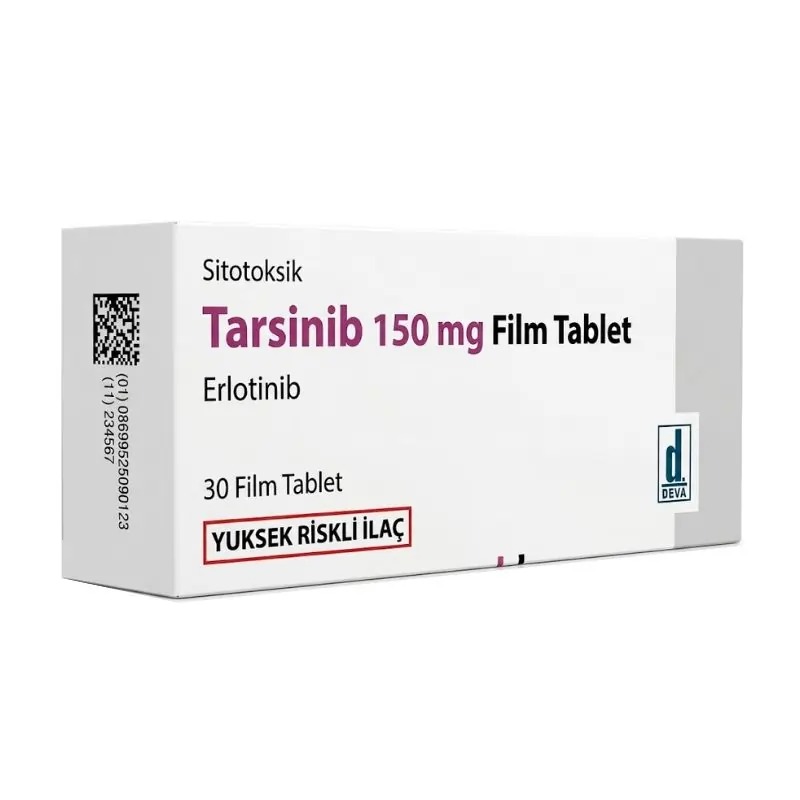
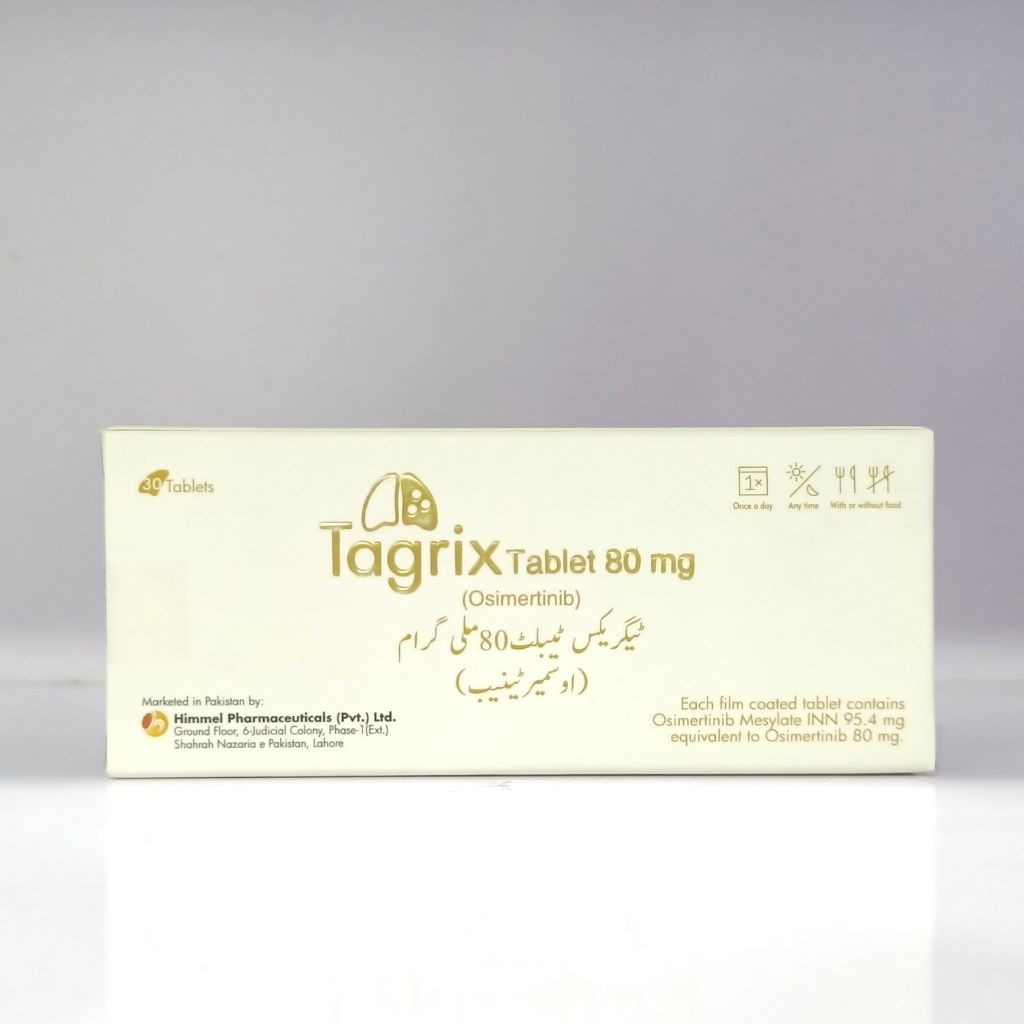
Showing 2 of 2
Lung Cancer Medicines in Pakistan: Information Guide
This page is for general information only and is not medical advice or a recommendation to use any medicine. See the full disclaimer below.
This category covers lung cancer medicines used in the treatment of the two main types of lung cancer. These are non small cell lung cancer (NSCLC) and small cell lung cancer (SCLC). The information below explains the main medicine categories and how they work, for general awareness.
Types of Lung Cancer and How Treatment Differs
Lung cancer is grouped into two main types, and each responds to different medicines. A biopsy and laboratory tests confirm the type before treatment is planned. The table below compares them for general information.
Feature | Non Small Cell Lung Cancer (NSCLC) | Small Cell Lung Cancer (SCLC) |
|---|---|---|
Share of cases | About 85 percent | About 15 percent |
Growth pattern | Slower growing | Faster growing, spreads early |
Common subtypes | Adenocarcinoma, squamous cell, large cell | Limited stage and extensive stage |
Common medicine types | Chemotherapy, targeted therapy, immunotherapy | Chemotherapy and immunotherapy |
Lung Cancer Medicine Categories
Lung cancer medicines belong to several drug classes that act on cancer cells in different ways. The choice depends on the cancer type, stage, gene changes and the patient's overall health, and an oncologist decides it. The table below outlines the main categories for general information.
Drug Class | Example Medicines (Brand) | How It Acts | Prescription |
|---|---|---|---|
Platinum chemotherapy | Cisplatin, Carboplatin | Damage cancer cell DNA so the cells cannot divide | Yes |
Other chemotherapy agents | Pemetrexed (Alimta), Paclitaxel, Docetaxel, Gemcitabine, Etoposide | Kill rapidly dividing cancer cells | Yes |
EGFR inhibitors (targeted) | Osimertinib (Tagrisso), Erlotinib (Tarceva), Gefitinib (Iressa), Afatinib (Gilotrif) | Block EGFR signals that drive some NSCLC tumors | Yes |
ALK inhibitors (targeted) | Alectinib (Alecensa), Crizotinib (Xalkori), Lorlatinib (Lorbrena) | Block ALK gene signals that make cancer grow | Yes |
Immune checkpoint inhibitors | Pembrolizumab (Keytruda), Nivolumab (Opdivo), Atezolizumab (Tecentriq), Durvalumab (Imfinzi) | Help T cells recognise and attack cancer cells | Yes |
VEGF inhibitor (monoclonal antibody) | Bevacizumab (Avastin) | Slows the growth of new blood vessels feeding tumors | Yes |
The Role of Biomarker Testing in Lung Cancer
Before starting targeted therapy for non small cell lung cancer, doctors test the tumor for specific gene changes. These gene changes, called biomarkers, show whether a targeted medicine is likely to act on the cancer. Testing uses a tissue sample, and sometimes a blood sample.
EGFR: a common mutation linked with EGFR inhibitors such as osimertinib.
ALK: a gene rearrangement linked with ALK inhibitors such as alectinib.
ROS1, BRAF, KRAS and RET: less common gene changes that each have their own targeted drugs.
PD-L1: a protein level that helps predict how well immunotherapy may act.
How Lung Cancer Medicines Work
Lung cancer medicines act on cancer through different mechanisms, and they are often combined. The combination depends on the cancer type and its gene profile. The points below explain each main approach.
Chemotherapy damages or kills rapidly dividing cells and is used in both NSCLC and SCLC. Platinum drugs such as cisplatin are usually paired with a second agent. They affect healthy fast growing cells too, which causes many side effects.
Targeted therapy blocks a specific gene change that drives cancer growth. EGFR inhibitors such as osimertinib and ALK inhibitors such as alectinib act only when that mutation is present. Biomarker testing identifies who may benefit.
Immunotherapy blocks PD-1 or PD-L1 checkpoints that hide cancer from the immune system. Pembrolizumab and atezolizumab are examples used in lung cancer. This allows T cells to find and attack cancer cells.
Key Facts About Lung Cancer Medicines
Lung cancer medicines are prescription only and require close oncologist supervision. The points below are general facts about this medicine category.
Prescription: all lung cancer medicines require a valid prescription from a registered oncologist.
Cancer type: NSCLC and SCLC are treated with different medicine combinations.
Biomarker testing: targeted therapy is chosen only after gene testing confirms a matching mutation.
Treatment lines: the medicine may change if the cancer stops responding.
Side effects: chemotherapy can cause nausea, hair loss and low blood counts, while targeted drugs and immunotherapy carry different risks.
Administration: some medicines are oral tablets, while others are intravenous infusions given in a hospital.
Frequently Asked Questions
What medicines are used to treat lung cancer?
Lung cancer is treated with chemotherapy, targeted therapy and immunotherapy, often in combination. Chemotherapy includes platinum drugs such as cisplatin, while targeted drugs include EGFR and ALK inhibitors. Immunotherapy includes checkpoint inhibitors such as pembrolizumab. An oncologist decides the plan based on the cancer type and gene profile.
How does treatment differ between NSCLC and SCLC?
Non small cell lung cancer often uses chemotherapy, targeted therapy and immunotherapy, depending on gene changes. Small cell lung cancer grows faster and is usually treated with chemotherapy and immunotherapy. The right approach is confirmed after the cancer type is diagnosed.
Why is biomarker testing needed before targeted therapy?
Targeted therapy acts only when a specific gene change is present in the cancer. Biomarker testing checks the tumor for changes such as EGFR, ALK and ROS1. Without a matching biomarker, a targeted medicine is unlikely to act on the cancer.
Are lung cancer medicines given as tablets or injections?
It depends on the medicine. Many targeted drugs such as osimertinib are oral tablets taken at home. Chemotherapy and immunotherapy are usually given by intravenous infusion in a hospital or clinic.
What are the common side effects of lung cancer medicines?
Chemotherapy is commonly associated with nausea, hair loss, fatigue and low blood counts. Targeted drugs can cause skin rash and diarrhoea, while immunotherapy can trigger immune related reactions. A doctor should review any severe or unusual symptoms.
Are lung cancer medicines available in Pakistan at PakMeds?
Yes, PakMeds lists lung cancer medicines available in Pakistan, including DRAP registered brands. The products shown above can be viewed with their details. A valid prescription is required to complete an order.
Disclaimer
The information on this page is provided for general educational purposes only and does not constitute medical advice. It is not a recommendation to use any specific medicine, and it should not replace consultation with a qualified healthcare professional.
Lung cancer must be diagnosed, treated and monitored by a registered oncologist. Never start, stop or change any medication without your doctor's guidance. Always read the official product leaflet and follow your healthcare provider's instructions.