
Which Vitamin Deficiency Causes Hair Loss? Key Vitamins and Minerals!
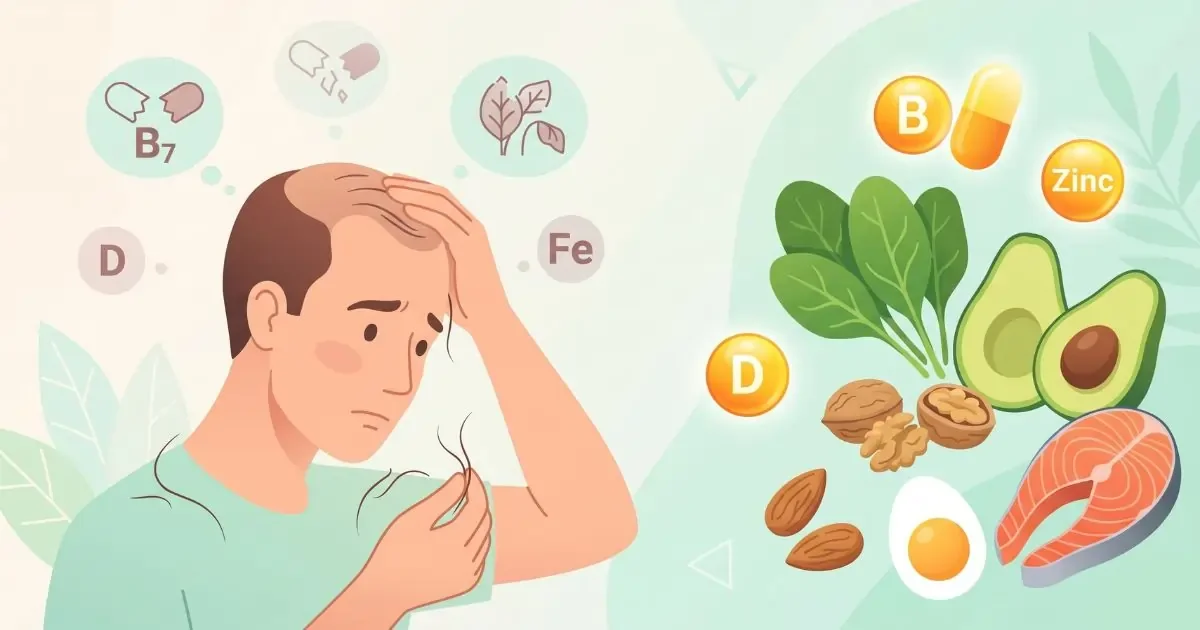
Low vitamin D and iron are the two deficiencies most strongly linked to hair loss in adults. A 2024 meta analysis in Frontiers in Nutrition found vitamin D deficiency in roughly 50% of patients with female pattern hair loss. Biotin (B7), vitamin B12, and zinc deficiencies also contribute, especially when more than one overlaps.
This guide breaks down which vitamin deficiencies cause hair loss, how to spot the warning signs, and which blood tests confirm the cause. By the end, you will know exactly what to test, what to eat, and when to see a dermatologist for treatment. Here's the short version:
The five vitamin and mineral deficiencies most linked to hair loss in adults
Why vitamin D deficiency affects up to 50% of people with hair loss disorders
How iron deficiency disrupts the hair growth cycle in women
Why biotin supplements rarely help unless you have a true deficiency
The blood tests dermatologists use to confirm a deficiency related cause
Foods and dosages that support healthy hair growth safely
When too much of a vitamin (like A or selenium) actually causes hair loss
When to stop self treating and see a doctor for hair loss
The Role of Vitamins and Minerals in Hair Growth
Vitamins and minerals fuel the cellular processes that build new hair strands. Hair follicles are among the most metabolically active tissues in the body, growing about half an inch per month. When key nutrients run low, the body diverts resources to vital organs and the hair growth cycle slows.
This shift pushes more follicles into the resting (telogen) phase prematurely, a condition called telogen effluvium. The result is diffuse shedding across the scalp, often two to four months after the deficiency starts. Vitamins and minerals also support keratin production, oxygen transport, and follicle stem cell activity.
The micronutrients with the strongest published links to hair loss include the following:
Vitamin D regulates hair follicle cycling and stem cell activity
Iron carries oxygen to hair follicles through hemoglobin
Biotin (B7) supports keratin production and follicle structure
Vitamin B12 aids red blood cell formation and follicle oxygenation
Zinc drives protein synthesis and tissue repair in the scalp
Vitamin C boosts iron absorption and supports collagen in the follicle
Vitamin E works as an antioxidant that protects scalp tissue
Vitamin D Deficiency and Hair Loss
Vitamin D deficiency is the single most prevalent vitamin shortfall linked to hair loss in the United States. A 2024 systematic review in Frontiers in Nutrition found vitamin D deficiency in 51.94% of patients with alopecia areata. The same review reported it in 50.38% of female pattern hair loss cases and 53.51% of telogen effluvium patients.
NHANES data from 2001 to 2018 shows about 22% of US adults have moderate vitamin D deficiency and another 41% have insufficient levels. Rates climb sharply among Black Americans (82.1%) and Hispanic Americans (69.2%) according to earlier NHANES analyses. Low sun exposure, indoor work, darker skin tones, and obesity all raise the risk.
Key facts about vitamin D and hair loss are listed below. The vitamin activates receptors inside hair follicles that trigger the active growth phase.
The 25 hydroxyvitamin D blood test confirms a deficiency at levels below 20 ng/mL
Levels between 30 and 50 ng/mL are considered optimal for hair health
Treatment usually involves 1,000 to 4,000 IU of vitamin D3 daily under medical guidance
Hair regrowth typically begins three to six months after correcting the deficiency
Sun exposure of 10 to 30 minutes several times per week boosts natural production
Iron Deficiency and Hair Loss
Iron deficiency is the most common cause of nutrient related hair loss in women. About 15% of premenopausal women and 18% of pregnant women in the US have iron deficiency, per the Tzu Chi Medical Journal. One clinical study found 59% of nonmenopausal women with excessive hair loss also had iron deficiency.
Low iron limits the production of hemoglobin, which carries oxygen to hair follicles. Without enough oxygen, follicles cannot sustain the growth phase and they shift to shedding. This produces a diffuse pattern of hair loss across the entire scalp rather than patchy bald spots.
Dermatologists assess iron status by measuring serum ferritin, the protein that stores iron in the body. While most labs list 15 to 200 ng/mL as normal, hair specialists use stricter thresholds for hair regrowth:
Below 30 ng/mL: Highly likely to contribute to hair loss
30 to 40 ng/mL: Borderline and often insufficient for hair regrowth
40 to 70 ng/mL: Generally adequate for healthy hair growth
Above 70 ng/mL: Optimal range for active hair regrowth
Iron supplementation should only happen under medical supervision because too much iron can be toxic. Heme iron from red meat, poultry, and fish absorbs more efficiently than plant based (non heme) iron from beans and spinach.
Biotin (Vitamin B7) Deficiency and Hair Loss
Biotin deficiency is rare in industrialized countries because biotin appears in many common foods. The Journal of Clinical and Aesthetic Dermatology reports that a balanced Western diet provides 35 to 70 mcg of biotin daily. That comfortably exceeds the recommended adequate intake of 30 mcg per day for adults.
One 2016 study published in the International Journal of Trichology found biotin deficiency in 38% of women complaining of hair loss. Most people with low biotin had an underlying cause such as long term antibiotic use, anticonvulsant medications, or genetic enzyme deficiencies. Pregnancy, alcoholism, and gut malabsorption also raise the risk.
Important warnings about biotin supplements:
The FDA warns that high dose biotin can interfere with lab tests, including troponin tests for heart attacks
One reported death involved a missed heart attack diagnosis caused by biotin lab interference
Stop biotin supplements at least 72 hours before any blood work or thyroid test
Most people without a true deficiency see no benefit from biotin for hair growth
Foods rich in biotin include eggs, almonds, salmon, sweet potatoes, and avocado
Vitamin B12 Deficiency and Hair Loss
Vitamin B12 deficiency contributes to hair loss by disrupting red blood cell formation. Without enough B12, the blood carries less oxygen to hair follicles and growth slows. Vegans, vegetarians, older adults, and people with pernicious anemia or bowel disorders face the highest risk.
About 6% of US adults under 60 have low vitamin B12, rising to nearly 20% in adults over 60, per the National Institutes of Health. Symptoms often include fatigue, tingling in hands or feet, and pale skin alongside the hair shedding. A simple blood test measures serum B12, and levels below 200 pg/mL indicate deficiency.
Top food sources and supplement notes for B12:
Animal foods like beef, salmon, eggs, and dairy provide the most absorbable B12
Plant based eaters need fortified cereals, nutritional yeast, or B12 supplements
The recommended daily intake for adults is 2.4 mcg, though doctors may prescribe more
Severe deficiency may require B12 injections rather than oral pills
Hair regrowth usually starts within three months of restoring normal B12 levels
Zinc Deficiency and Hair Loss
Zinc deficiency is linked to hair loss because the mineral supports protein synthesis and tissue repair in the hair follicle. Low zinc levels are common alongside iron deficiency and can cause brittle hair, slower growth, and patchy hair loss in some cases. People with inflammatory bowel disease, kidney disease, or restrictive diets are at higher risk.
Adults need about 8 to 11 mg of zinc per day. Excessive zinc intake (above 40 mg daily for long periods) can disrupt copper absorption and worsen hair shedding, so doctors recommend testing first. Top food sources include oysters, beef, pumpkin seeds, lentils, and chickpeas.
Signs that zinc deficiency may play a role:
Slow wound healing alongside hair shedding
Frequent colds or weakened immune response
Loss of taste or smell
Skin rashes around the mouth, eyes, or genitals
Brittle nails with white spots
Vitamin C, Vitamin E, and Vitamin A in Hair Health
Vitamin C plays an important role in hair health by boosting iron absorption from food and supporting collagen production in the hair follicle. Vitamin C deficiency is rare in the US, but smokers, heavy drinkers, and people with very limited diets can develop low levels. A serving of citrus, bell peppers, or strawberries usually covers daily needs.
Vitamin E acts as an antioxidant that protects scalp tissue from oxidative stress. Some small studies have linked low vitamin E levels to hair loss, though more research is needed. Most adults get enough vitamin E from nuts, seeds, and vegetable oils.
Vitamin A behaves differently from the other nutrients on this list. Harvard Health reports that excessive vitamin A intake can actually trigger hair loss in the form of telogen effluvium. The same warning applies to selenium, so stick to recommended doses and avoid stacking multivitamins with single nutrient pills.
Vitamin C: 75 to 90 mg per day; helps iron absorption
Vitamin E: 15 mg per day; antioxidant protection for follicles
Vitamin A: 700 to 900 mcg per day; too much causes hair loss
Selenium: 55 mcg per day; toxicity above 400 mcg can trigger shedding
Signs Your Hair Loss Is From a Vitamin Deficiency
Vitamin and mineral deficiencies usually cause diffuse hair shedding rather than the patterned loss seen in genetic baldness. Most people with deficiency related hair loss notice more strands in the brush, on the pillow, and in the shower drain. The shedding tends to come on suddenly and affects the whole scalp evenly.
This pattern is called telogen effluvium, where stress on the body pushes follicles into early rest. Other signs that point to a nutritional cause include fatigue, brittle nails, pale skin, and frequent illness. Patchy hair loss usually points to alopecia areata, an autoimmune condition that may also involve low vitamin D.
Common warning signs of nutrient related hair loss:
Sudden increase in daily hair shedding (more than 100 strands per day)
Diffuse thinning across the entire scalp rather than a receding hairline
Brittle hair that breaks easily mid strand
Slower growth between haircuts than usual
Fatigue, dizziness, or shortness of breath alongside the hair loss
Pale skin, brittle nails, or unusual skin rashes
Heavy menstrual periods (a top cause of iron deficiency in women)
Recent crash diet, weight loss surgery, or restrictive eating pattern
How to Test for Vitamin Deficiencies That Cause Hair Loss
The only reliable way to identify which vitamin deficiency causes your hair loss is through blood testing. A primary care doctor or dermatologist can order a panel that checks the most common nutrient gaps. Self diagnosing and supplementing without testing can mask serious conditions like thyroid disease or autoimmune disorders.
Stop biotin supplements at least three days before any blood work. High biotin levels interfere with thyroid function tests and other immunoassays, which can produce false results. Bring a list of all supplements and medications to the appointment.
The standard hair loss blood panel typically includes the following tests:
Complete blood count (CBC): Screens for anemia and infection
Serum ferritin: The single best marker for iron stores and hair growth
25 hydroxyvitamin D: Confirms vitamin D status
Vitamin B12 and folate: Checks red blood cell production support
Zinc: Identifies low zinc levels related to hair shedding
Thyroid panel (TSH, T3, T4): Rules out thyroid related hair loss
Hormonal markers: DHEA, testosterone, and prolactin in some cases
Best Foods for Healthy Hair Growth
Eating a balanced diet rich in protein, iron, and key vitamins supports healthy hair follicles. Whole foods deliver nutrients in forms the body absorbs efficiently. Most people can correct a mild deficiency through diet alone, especially when paired with vitamin C to boost iron uptake.
The table below shows the top food sources for each hair related nutrient and the typical amount per serving. Aim to include at least one food from each category in your daily meals.
Nutrient | Top Food Sources | Daily Target (Adults) |
|---|---|---|
Vitamin D | Salmon, tuna, fortified milk, egg yolks, sun exposure | 600 to 800 IU |
Iron (heme) | Beef, chicken, oysters, sardines, turkey | 8 mg (men), 18 mg (women) |
Iron (non heme) | Lentils, spinach, tofu, fortified cereals | Pair with vitamin C for absorption |
Biotin (B7) | Eggs, almonds, sweet potatoes, salmon, avocado | 30 mcg |
Vitamin B12 | Beef, salmon, eggs, dairy, fortified cereals | 2.4 mcg |
Zinc | Oysters, beef, pumpkin seeds, chickpeas, cashews | 8 to 11 mg |
Vitamin C | Bell peppers, citrus, strawberries, broccoli, kiwi | 75 to 90 mg |
Vitamin E | Sunflower seeds, almonds, spinach, avocado | 15 mg |
You can improve vitamin levels through diet. Hair loss could be the least of your concerns, if you're experiencing severe deficiency. For example, the vitamin deficiency can cause cancer. If you're experiencing severe deficiency, please contact a doctor and ask for a plan.
Most doctors will recommend products like:
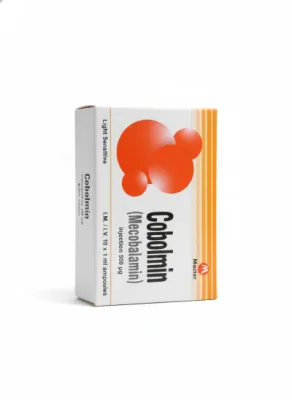
Vitamins
Cobolmin 500mcg Tablets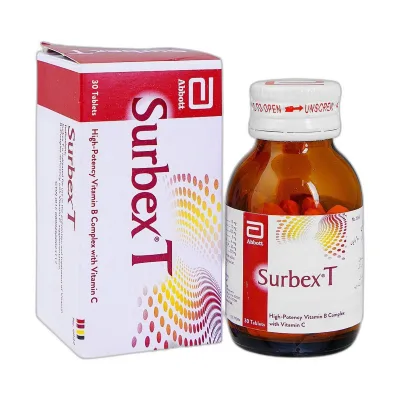
Vitamins
Surbex-T ( 30 Tablets)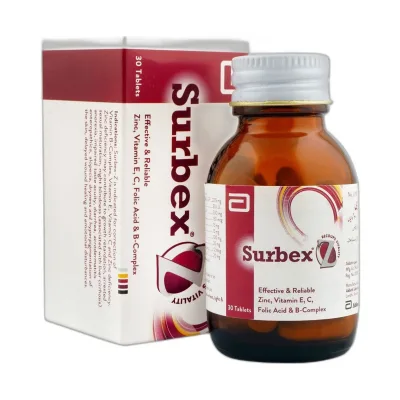
Vitamins
Surbex-Z (30 Tablets)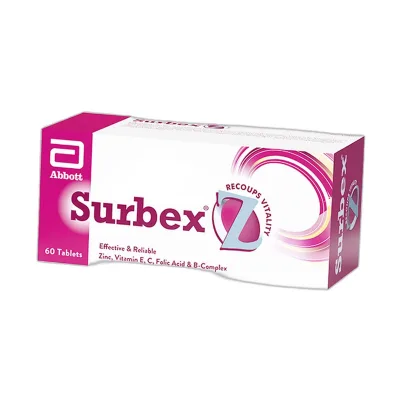
Vitamins
Surbex-Z (60s Tablets)Vitamins for Hair Growth: Do Supplements Work?
Vitamins for hair loss only work if you have a documented deficiency in the nutrient you are taking. Supplementing without a confirmed gap rarely helps and can sometimes cause harm. The American Academy of Dermatology recommends testing first, then targeting specific deficiencies under medical guidance.
Many vitamins marketed for hair growth are blends of biotin, zinc, vitamin D, and B vitamins. Few have strong clinical evidence outside of correcting deficiency. Brands like Nutrafol and Viviscal have published small studies showing some benefit, though independent research remains limited.
Smart guidelines for hair growth supplements:
Get tested before starting any single nutrient supplement
Skip biotin unless your doctor confirms a deficiency
Avoid stacking multivitamins with separate vitamin A or selenium pills
Choose third party tested brands (USP, NSF, or ConsumerLab verified)
Give any supplement plan three to six months before judging results
Stop and call your doctor if you notice new symptoms or worsening shedding
FAQs About Vitamin Deficiencies and Hair Loss
What is the most common vitamin deficiency that causes hair loss?
Vitamin D deficiency is the most common vitamin deficiency linked to hair loss in adults. A 2024 meta analysis found low vitamin D in roughly 50% of patients with female pattern hair loss, alopecia areata, and telogen effluvium. Iron deficiency is the most common mineral cause, especially in premenopausal women.
Can vitamin deficiency cause permanent hair loss?
Vitamin deficiency hair loss is usually reversible once the deficiency is corrected. Most people see new hair growth within three to six months of restoring normal nutrient levels. Long term untreated deficiencies can sometimes contribute to follicle miniaturization, which is harder to reverse.
How long does it take for vitamins to regrow hair?
Hair regrowth from corrected vitamin deficiencies typically begins after three months and continues for six to twelve months. The hair growth cycle moves slowly, with new strands growing about half an inch per month. Patience and consistent nutrient intake are essential for visible results.
Which vitamin is best for hair loss in women?
For women, iron and vitamin D are the two most impactful nutrients to correct first. Studies show iron deficiency in 59% of nonmenopausal women with hair loss and vitamin D deficiency in 50% of female pattern hair loss cases. A blood test will confirm which one (or both) applies.
Can too much of a vitamin cause hair loss?
Yes, excessive intake of vitamin A or selenium can trigger hair loss. Harvard Health confirms that toxic doses of these nutrients disrupt the hair growth cycle and increase shedding. Stick to recommended daily amounts and avoid combining multivitamins with separate single nutrient supplements.
What are the symptoms of vitamin D deficiency hair loss?
Vitamin D deficiency hair loss usually shows up as diffuse thinning across the entire scalp rather than patchy bald spots. Other common signs include fatigue, muscle weakness, bone pain, frequent illness, and low mood. A 25 hydroxyvitamin D blood test confirms the diagnosis at levels below 20 ng/mL.
Do biotin supplements really work for hair growth?
Biotin supplements only help hair growth in people with a true biotin deficiency, which is rare. The Journal of Clinical and Aesthetic Dermatology found no strong evidence that biotin helps hair growth in well nourished adults. High dose biotin can also interfere with critical lab tests including thyroid and heart attack panels.
When should I see a doctor about hair loss?
See a doctor if you notice sudden, heavy shedding, patchy bald spots, or hair loss alongside fatigue and other symptoms. A dermatologist can order blood tests, perform a scalp exam, and rule out conditions like thyroid disease or autoimmune alopecia. Early treatment improves the chance of full hair regrowth.
The Bottom Line: Vitamin Deficiency and Hair Loss
Vitamin deficiencies can absolutely cause hair loss, with vitamin D and iron leading the list as the most common culprits. Biotin, vitamin B12, and zinc also contribute, though true deficiencies of these nutrients are less common in healthy adults. The good news is that nutrient related hair loss usually reverses within three to six months once the deficiency is corrected.
If you are experiencing hair loss, the smartest first step is a blood test rather than a supplement. Ask your doctor or dermatologist for a hair loss panel that includes ferritin, vitamin D, B12, zinc, and a thyroid check. With a clear diagnosis, you can choose the right foods, doses, and treatments to restore healthy hair growth safely.