
Can Vitamin B12 Deficiency Be a Sign of Cancer? Definitive Answer!
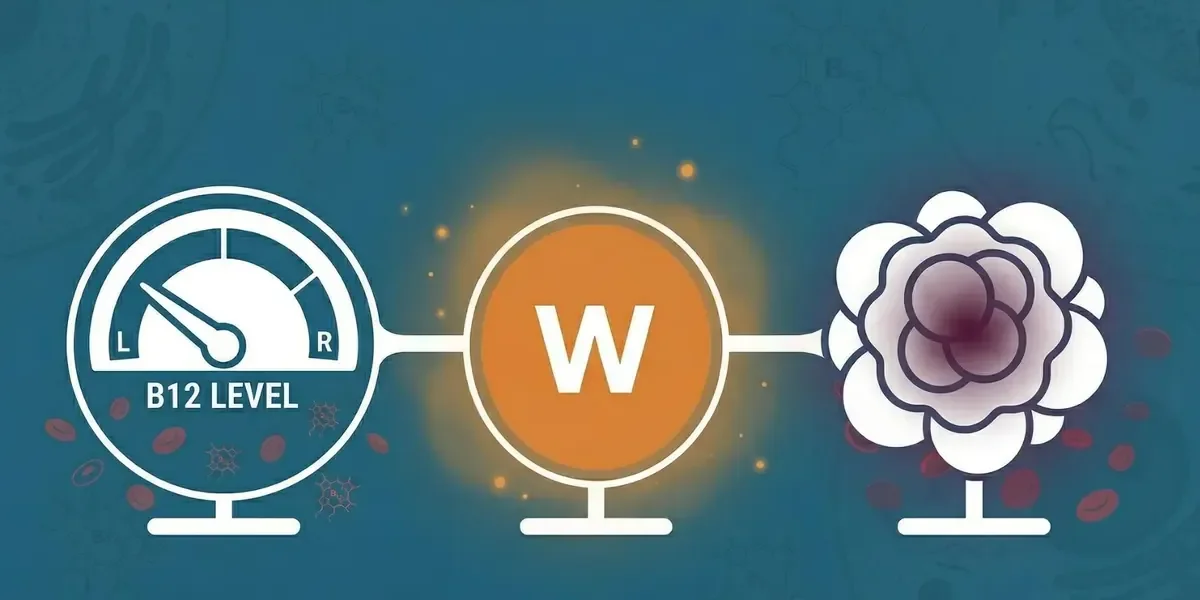
Vitamin B12 deficiency does not directly cause cancer. However, research confirms a real and concerning link between low levels of vitamin B12 levels and several types of cancer. A 2024 study of 788 patients found that low vitamin B12 levels were common in early stage cancer, particularly in people with colorectal cancer.
In some cases, the deficiency is caused by the cancer itself, and in others, chronically low B12 increases cancer risk over time. This guide explains the connection between vitamin B12 deficiency and cancer, the symptoms to watch for, the cancers most linked to low B12, and the treatment options available to bring your levels back to normal. The short version of everything is:
Low B12 levels are common in cancer patients, with prevalence estimates ranging from 6% to 48% depending on the cancer type, according to a 2025 study published in Nutrients.
Pernicious anemia, a condition that destroys the stomach cells needed to absorb B12, raises the risk of developing stomach cancer according to the American Cancer Society.
Stomach cancer and pancreatic cancer can destroy the stomach lining, preventing B12 absorption and causing deficiency as a direct result of the disease.
Research published in PMC found that B12 deficiency causes uracil misincorporation in DNA, leading to genomic instability, a known hallmark of early cancer development.
A normal B12 level falls between 200 and 900 picograms per milliliter. Levels below 200 pg/mL confirm deficiency according to the Merck Manual.
6% of adults under 60 are B12 deficient. That figure rises to 20% in adults aged 60 and over.
Vitamin B12 deficiency is diagnosed using blood tests including a complete blood count and serum B12 measurement.
Treatment options include oral B12 supplements, B12 injections, and nasal sprays, depending on the cause and severity of the deficiency.
What Is Vitamin B12 and What Does It Do in the Body
Vitamin B12, also called cobalamin, is a water soluble vitamin the body cannot produce on its own. Every cell in the body depends on it for DNA synthesis, red blood cell formation, and nerve function. Adults need 2.4 micrograms per day, with higher amounts required during pregnancy and breastfeeding.
B12 absorption follows a specific pathway. The stomach must produce a protein called intrinsic factor, which binds to B12 so the small intestine can absorb it. If any part of this process breaks down, including stomach damage, digestive disease, or surgery, the body cannot absorb enough B12 even if dietary intake is adequate.
Key roles vitamin B12 plays in the body include:
Producing healthy red blood cells that carry oxygen through the body
Synthesising and repairing DNA in every cell
Maintaining the myelin sheath that protects nerve fibres
Supporting brain function, memory, and mood
Converting food into usable energy through metabolic pathways
Symptoms of Vitamin B12 Deficiency to Watch For
Vitamin B12 deficiency symptoms develop slowly and can be easy to overlook in the early stages. According to the Cleveland Clinic, some people have very low B12 levels with no noticeable symptoms at all. That makes routine blood tests important, especially for people in higher risk groups.
Physical and neurological symptoms tend to worsen the longer the deficiency goes untreated. Some nerve damage from prolonged B12 deficiency, such as tingling and numbness, may not fully reverse even after treatment begins.
Common symptoms of vitamin B12 deficiency include:
Persistent fatigue and weakness with no clear cause
Pale or slightly yellow skin due to low red blood cell production
Shortness of breath and dizziness
Tingling or numbness in the hands and feet
Difficulty with balance or coordination
Memory problems, difficulty concentrating, or mood changes
A sore or inflamed tongue
Gastrointestinal symptoms such as nausea, constipation, or loss of appetite
Common Causes of Low Vitamin B12 Levels
Most cases of vitamin B12 deficiency come from absorption problems rather than a lack of B12 in the diet. Pernicious anemia, the most common cause of severe B12 deficiency, is an autoimmune condition where the immune system attacks the stomach cells that produce intrinsic factor. Without intrinsic factor, the body cannot absorb B12 from food or oral supplements effectively. According to StatPearls (2024), pernicious anemia affects approximately 4% of older European and African adults.
Digestive diseases, medications, age, and diet can all impair B12 absorption. Older adults are especially vulnerable because stomach acid production declines with age, making it harder to separate B12 from food before absorption.
The most common causes of vitamin B12 deficiency include:
Pernicious anemia, an autoimmune condition that stops the stomach from making intrinsic factor
Digestive diseases like Crohn's disease, celiac disease, and gastritis that damage the intestinal lining
Gastric bypass surgery or gastrectomy that removes part of the stomach
Long term use of metformin for diabetes or proton pump inhibitors for acid reflux
Strict vegan or vegetarian diets with no B12 supplementation, since B12 is found almost exclusively in animal foods
Age related decline in stomach acid production in adults over 60
Cancers affecting the stomach, pancreas, or gastrointestinal tract
How Vitamin B12 Deficiency and Cancer Are Linked
The relationship between vitamin B12 deficiency and cancer runs in two directions. Some cancers directly cause B12 deficiency by destroying the structures the body needs to absorb the vitamin. At the same time, chronic low B12 levels may increase cancer risk over time by damaging DNA and disrupting normal cell replication.
A 2024 study of 788 patients found that low vitamin B12 levels were common across cancer types, with the strongest link seen in early stage colorectal cancer patients. According to Baptist Health, blood cancers can also affect red blood cell production in the bone marrow, which further disrupts vitamin B12 levels in the body.
The two way relationship between B12 deficiency and cancer looks like this:
Some cancers cause B12 deficiency by damaging the stomach lining or blocking absorption
Chronic low B12 levels cause DNA damage that may raise cancer risk over time
Blood cancers such as leukaemia and lymphoma disrupt red blood cell formation, affecting B12 levels
Cancer treatments including certain chemotherapy drugs can worsen existing B12 deficiency
B12 deficiency is present in 6% to 48% of cancer patients, with higher rates in elderly patients and those with gastrointestinal cancers
Cancers That Cause Low Vitamin B12 Levels
Several types of cancer directly interfere with the body's ability to absorb vitamin B12. Stomach cancer destroys the parietal cells in the stomach lining that produce intrinsic factor. Without intrinsic factor, B12 cannot be absorbed in the small intestine, causing deficiency regardless of dietary intake or supplementation.
Pancreatic cancer disrupts the digestive enzymes the body uses to release B12 from food during digestion. According to research reviewed by Medical News Today (2025), gastrointestinal tumours more broadly can interfere with B12 absorption at multiple points along the digestive tract.
Cancers most commonly linked to low vitamin B12 levels include:
Stomach cancer, which destroys intrinsic factor producing cells in the stomach lining
Pancreatic cancer, which impairs the digestive process needed to release and absorb B12
Colorectal cancer, identified in the 2024 study of 788 patients as particularly associated with low B12
Blood cancers including leukaemia and lymphoma, which disrupt red blood cell formation
Small intestinal tumours that damage the absorption site in the distal ileum
Cancer Type | How It Affects B12 | Strength of Link |
|---|---|---|
Stomach cancer | Destroys intrinsic factor producing cells | Strong and well documented |
Pancreatic cancer | Disrupts digestive enzymes needed to release B12 | Strong |
Colorectal cancer | Low B12 common in early stage disease | Confirmed in 2024 study of 788 patients |
Blood cancers | Impair red blood cell production in bone marrow | Moderate, varies by cancer type |
Small intestinal tumours | Damage the absorption site in the ileum | Moderate |
How Low Vitamin B12 Levels Could Increase Cancer Risk
Vitamin B12 plays a central role in DNA synthesis and repair. When B12 levels fall too low, the body starts misincorporating uracil into DNA strands instead of thymine. Research published in PMC found that this uracil misincorporation causes genomic instability, one of the earliest known markers of cancer development in cells.
Chronic B12 deficiency also leads to global hypomethylation of DNA. Hypomethylation means the DNA loses its normal chemical regulation, which can activate genes that promote cell growth and tumour formation. The American Cancer Society confirms that pernicious anemia, a condition caused by the inability to absorb B12, specifically raises the risk of developing stomach cancer.
The mechanisms through which low B12 may raise cancer risk include:
Uracil misincorporation in DNA, leading to strand breaks and genomic instability
Global DNA hypomethylation, a known hallmark of early carcinogenesis
Impaired production of healthy red blood cells, which reduces oxygen delivery to tissues
Higher risk of HPV infection, as research found significantly higher HPV risk in patients with low B12
Increased homocysteine levels, which damage blood vessels and are associated with inflammation linked to cancer
When B12 Deficiency Should Raise Concern in Cancer Patients
A B12 deficiency on its own does not mean a person has cancer. Most cases have straightforward dietary or absorption related causes that are entirely unrelated to any malignancy. However, a persistent or worsening B12 deficiency that does not respond to standard supplementation warrants further investigation by a doctor.
According to Baptist Health, the combination of low B12 with certain additional symptoms should prompt an urgent consultation with a healthcare provider. A 2025 study in Nutrients confirmed that anemia affects up to 60% of cancer patients, making B12 status an important part of oncology care.
Seek medical advice promptly if low B12 occurs alongside any of the following:
Unexplained and persistent weight loss
Persistent abdominal pain or discomfort that does not improve
Rectal bleeding or blood in the stool
Jaundice, a yellowing of the skin or whites of the eyes
A B12 deficiency that does not improve after several months of supplementation
A family history of stomach, colorectal, or pancreatic cancer
How Doctors Diagnose Vitamin B12 Deficiency
Vitamin B12 deficiency is diagnosed through blood tests. According to StatPearls (2024), the initial tests include a complete blood count and a serum B12 measurement. A B12 level below 200 pg/mL confirms deficiency, while a level between 200 and 350 pg/mL is considered low normal and may require additional testing to determine clinical significance.
When B12 results are unclear, doctors can order additional markers. Elevated methylmalonic acid and homocysteine levels in the blood are sensitive markers of B12 deficiency at the cellular level, even when serum B12 appears borderline. A 2024 expert consensus published in the Journal of Clinical Medicine confirmed that these additional tests add diagnostic value when standard B12 results are inconclusive.
The standard blood tests used to diagnose vitamin B12 deficiency include:
Complete blood count to check red blood cell size and shape
Serum B12 level, with anything below 200 pg/mL confirming deficiency
Methylmalonic acid levels, which rise when B12 is deficient at the cellular level
Homocysteine levels, which also elevate in B12 deficiency
Intrinsic factor antibody test to diagnose pernicious anemia
Folate levels to rule out folate deficiency, which causes similar symptoms
Treatment Options for Vitamin B12 Deficiency
Treatment for vitamin B12 deficiency depends on its underlying cause and how severe the deficiency is. The National Heart, Lung, and Blood Institute states that patients with pernicious anemia typically require B12 injections for life, because oral supplements cannot be absorbed without functioning intrinsic factor. Patients with dietary deficiency alone can usually correct their levels with oral supplements.
The Mayo Clinic confirms that some neurological symptoms, such as numbness and tingling, may not fully resolve even after B12 levels are restored. Early diagnosis and treatment give the best chance of full recovery.
Treatment options for vitamin B12 deficiency include:
B12 injections directly into the muscle, used for pernicious anemia or severe deficiency where absorption is impaired
High dose oral B12 supplements for patients who can absorb B12 through the gut
Nasal B12 sprays or gels as an alternative for those who cannot tolerate injections
Dietary changes to increase B12 intake through meat, fish, eggs, and dairy
Fortified foods and B12 supplements for people following vegan or vegetarian diets
Addressing the underlying cause, such as switching medications or treating a digestive condition, to restore natural absorption
How to Get Enough Vitamin B12 Through Diet
Adults need 2.4 micrograms of vitamin B12 per day. B12 is found almost exclusively in animal products, which means people who follow vegan or vegetarian diets face a significantly higher risk of deficiency over time without supplementation. According to the NIH Office of Dietary Supplements, the body stores several years worth of B12 in the liver, so deficiency develops slowly but can become serious if left unaddressed.
People with digestive conditions, older adults over 60, or those on long term medications that impair B12 absorption should discuss routine B12 testing with their doctor, even if they consume enough B12 in their diet.
The best dietary sources of vitamin B12 include:
Beef liver and other organ meats, among the richest natural sources available
Clams, tuna, salmon, and other fish and seafood
Beef, chicken, and other meats
Eggs and dairy products including milk, yoghurt, and cheese
Fortified plant milks and breakfast cereals, which are important sources for vegans
B12 supplements in cyanocobalamin or methylcobalamin form, available without prescription
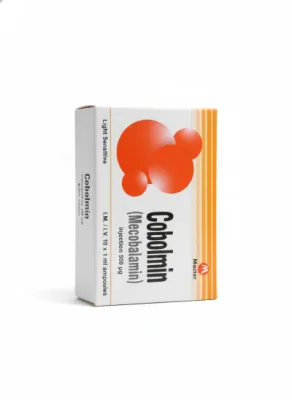
People with medical conditions or severe B12 deficiency are usually prescribed medication like Methylcobal (Cobolmin). Fair disclaimer, you should not take this without consulting your doctor. Please consult your doctor if you have signs of Vitamin B12 deficiency.
Vitamins
Cobolmin 500mcg TabletsFrequently Asked Questions
Can vitamin B12 deficiency be a sign of cancer?
Vitamin B12 deficiency can be a sign of certain cancers, particularly stomach, pancreatic, and colorectal cancer, because these cancers damage the structures the body needs to absorb B12. A 2024 study of 788 patients confirmed that low B12 is common in early stage cancer, especially colorectal cancer. However, most B12 deficiency cases are caused by dietary factors, pernicious anemia, or digestive conditions unrelated to cancer.
What B12 level is considered too low?
A serum B12 level below 200 pg/mL confirms vitamin B12 deficiency, according to the Merck Manual. Levels between 200 and 350 pg/mL are considered low normal and may warrant additional testing using methylmalonic acid and homocysteine markers. Normal B12 levels fall between 200 and 900 pg/mL.
Which cancers are most linked to vitamin B12 deficiency?
Stomach cancer and pancreatic cancer are most directly linked to B12 deficiency because both damage the gastrointestinal structures needed for B12 absorption. Colorectal cancer was specifically associated with low B12 in a 2024 study of 788 cancer patients. Blood cancers including leukaemia and lymphoma can also affect B12 levels by disrupting red blood cell production in the bone marrow.
Can low vitamin B12 actually cause cancer?
Chronic vitamin B12 deficiency may raise cancer risk over time by causing DNA damage. Research published in PMC found that low B12 leads to uracil misincorporation in DNA strands and global DNA hypomethylation, both recognised markers of early cancer development in cells. The American Cancer Society confirms that pernicious anemia specifically raises the risk of stomach cancer due to long term inability to absorb B12.
How is vitamin B12 deficiency diagnosed?
A doctor diagnoses B12 deficiency with a blood test measuring serum B12 levels alongside a complete blood count. Levels below 200 pg/mL confirm deficiency. When results are borderline, additional tests measuring methylmalonic acid and homocysteine provide a clearer picture of B12 status at the cellular level.
What are the treatment options for vitamin B12 deficiency?
Patients with pernicious anemia or absorption problems typically receive B12 injections, sometimes for life. People with dietary deficiency can usually restore their levels with high dose oral supplements or dietary changes. The National Heart, Lung, and Blood Institute confirms that some neurological symptoms may take months to improve, and some may not fully reverse even after B12 levels return to normal.
Does pernicious anemia increase cancer risk?
The American Cancer Society states that pernicious anemia raises the risk of developing stomach cancer. Pernicious anemia is an autoimmune condition that destroys the stomach cells producing intrinsic factor, the protein needed to absorb B12. The same stomach damage that causes pernicious anemia also creates conditions that increase stomach cancer risk over time.
Do vegans face higher cancer risk from low B12?
Vegans who do not supplement with B12 face a higher risk of developing deficiency because B12 is found almost exclusively in animal products. Research reviewed in PMC found that B12 deficient diets cause uracil misincorporation in DNA and global hypomethylation, both of which are associated with increased cancer risk. Vegans are advised to take a B12 supplement or consume fortified foods daily to maintain adequate levels.
The Bottom Line: Vitamin B12 Deficiency and Cancer
Vitamin B12 deficiency and cancer share a genuine two way relationship that every patient and doctor should understand. Cancers of the stomach, pancreas, and colon can cause B12 deficiency by damaging absorption. Chronic low B12 can, over time, damage DNA in ways that raise cancer risk.
If you are experiencing symptoms of B12 deficiency, including persistent fatigue, tingling in the hands or feet, or unexplained anaemia, speak with your doctor about a blood test to check your levels.
Early diagnosis and appropriate treatment can prevent serious complications. For more information on managing vitamin deficiency as part of your health plan, visit the NIH Office of Dietary Supplements or ask your healthcare provider about your B12 intake and treatment options today.