Pegaspa Injection (Peg L-asparaginas)
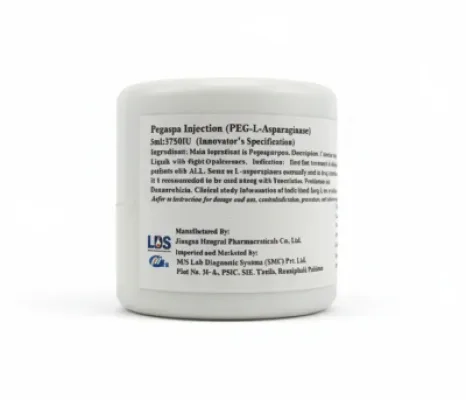
Pegaspa is a long-acting enzyme therapy designed to treat Acute Lymphoblastic Leukemia in pediatric and adult patients. It effectively starves leukemia cells by breaking down asparagine while minimizing the risk of hypersensitivity reactions.
Overview
Pegaspa Injection is a specialized antineoplastic enzyme used as a core component of chemotherapy for Acute Lymphoblastic Leukemia (ALL). This pegylated form of L-asparaginase is engineered to stay in the body longer while reducing the risk of immune system attacks. Order Pegaspa from PakMeds to ensure professional cold chain management and secure delivery for your critical oncology needs.
Manufacturer | Varies (e.g., Onco-specialists) |
Active Ingredient(s) | Pegaspargase (Peg L-asparaginase) |
Strength | 3750 IU / 5ml |
Pack Size | 1 Single Dose Vial |
Prescription Required | Yes |
Generic Name(s) | Pegaspargase |
Pegaspa Ingredients and Usage
Pegaspa contains pegaspargase, a modified version of the L-asparaginase enzyme derived from Escherichia coli. The pegylation process involves attaching polyethylene glycol to the enzyme, which significantly extends its half-life and therapeutic window. Each 5ml vial provides 3750 International Units of active ingredient formulated in a clear, phosphate-buffered saline solution.
Oncologists prescribe Pegaspa as part of multi-agent chemotherapy regimens for pediatric and adult patients with Acute Lymphoblastic Leukemia. It serves as a vital alternative for patients who have developed hypersensitivity to native forms of L-asparaginase. The medication is administered via intramuscular injection or intravenous infusion under the supervision of experienced medical personnel.
How Does Pegaspa Work?
Pegaspa works by depleting the circulating levels of L-asparagine, a non-essential amino acid required for protein synthesis. While healthy cells can produce their own asparagine using the enzyme asparagine synthetase, leukemic lymphoblasts lack this capability. By breaking down extracellular asparagine into aspartic acid and ammonia, Pegaspa effectively starves the cancer cells of a vital nutrient.
This selective starvation halts protein production within the tumor cells, leading to a cessation of cell division and programmed cell death. The pegylated structure allows the enzyme to remain active in the bloodstream for up to two weeks. This sustained depletion of asparagine is a critical factor in achieving deep remission and preventing cancer relapse in high-risk patients.
Pegaspa Side Effects
Pegaspa can cause metabolic changes, liver stress, and coagulation issues that require regular blood work and clinical monitoring. Most side effects are manageable but must be reported to a healthcare provider immediately to ensure safe treatment continuation.
Nausea and vomiting
Diarrhoea and abdominal pain
Elevated liver enzymes (Hepatotoxicity)
Hyperglycemia (High blood sugar)
Febrile neutropenia
Fatigue and general weakness
Skin rash and itching
Coagulopathy or abnormal bleeding
Pancreatitis (Sudden stomach pain)
Increased thirst or urination
Dizziness and headache
Loss of appetite
Warnings
Pegaspa carries a high risk of serious allergic reactions, including life-threatening anaphylaxis, particularly in patients sensitive to prior asparaginase therapy.
Pancreatitis has been reported with Pegaspa use; treatment must be permanently discontinued if severe or hemorrhagic pancreatitis occurs.
Serious thrombotic events, including blood clots and strokes, can occur and require immediate medical intervention if symptoms arise.
Severe hepatotoxicity and liver failure have been observed; doctors must monitor bilirubin and transaminases at least weekly during therapy.
The medication may cause significant hyperglycemia, sometimes requiring insulin therapy or the temporary suspension of the treatment cycle.
Pegaspa is known to cause embryo-fetal toxicity, and patients must use effective contraception during and for several months after treatment.
Routine monitoring of fibrinogen, PT, and PTT is necessary as the drug can interfere with the body's natural blood clotting.
Avoid shaking or vigorously agitating the vial, as this can denature the protein and render the medication ineffective.
Pegaspa Storage Conditions
Store Pegaspa vials in a refrigerator between 2°C and 8°C and keep them in the original carton to protect from light. Never freeze the product or use it if it has been stored at room temperature for more than 48 hours. Inspect the solution for any cloudiness or particles before use; once diluted for infusion, it should be administered immediately or within 24 hours.
Customer Reviews
No reviews yet. Be the first to review this product!
Login to write a review