
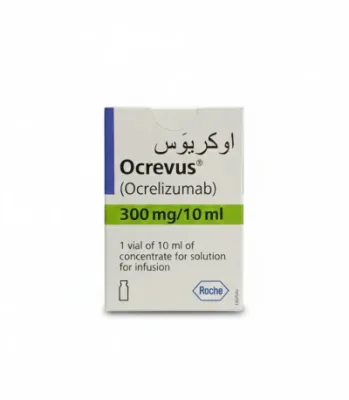
Ocrevus 300mg/10ml Solution. 1`s
Overview
Ocrevus 300mg/10ml is an intravenous monoclonal antibody infusion that treats relapsing and primary progressive multiple sclerosis in adults. Roche manufactures this biologic to slow disability progression and reduce relapse rates. Order Ocrevus from PakMeds with secure cold chain handling and reliable nationwide delivery.
Manufacturer | Roche (Genentech) |
|---|---|
Active Ingredient(s) | Ocrelizumab |
Strength | 300mg/10ml (30mg/ml) |
Pack Size | 1 single dose vial |
Prescription Required | Yes |
Generic Name(s) | Ocrelizumab |
Ocrevus Ingredients and Usage
Ocrevus contains ocrelizumab, a humanised monoclonal antibody that targets the CD20 protein found on B lymphocytes. Roche manufactures this biologic using recombinant DNA technology in Chinese Hamster Ovary cells. Each 10ml vial delivers 300mg of ocrelizumab at a concentration of 30mg per millilitre.
Doctors prescribe Ocrevus to treat relapsing forms of multiple sclerosis, including clinically isolated syndrome, relapsing remitting disease, and active secondary progressive disease. The infusion also treats early primary progressive multiple sclerosis in adults showing imaging features of inflammatory activity. Ocrevus belongs to the CD20 directed cytolytic antibody class and reduces relapse frequency, slows disability progression, and limits new lesion formation on MRI scans.
How Does Ocrevus Work?
Ocrevus works by binding to the CD20 antigen present on the surface of pre B and mature B lymphocytes. This binding triggers antibody dependent cellular cytotoxicity and complement mediated lysis, eliminating CD20 positive B cells from circulation. B lymphocytes drive the autoimmune attack on myelin in multiple sclerosis, so depleting them reduces nerve inflammation.
The body replenishes B cells gradually over months, which is why Ocrevus infusions occur every six months in maintenance dosing. Clinical trials show ocrelizumab cuts annualised relapse rates by roughly 46 percent compared with interferon beta 1a in relapsing multiple sclerosis. Ocrevus also reduces 12 week confirmed disability progression in primary progressive disease by around 24 percent versus placebo.
Ocrevus Side Effects
Ocrevus can cause infusion related reactions and raise the risk of infections due to its immune suppressing action on B cells. Most infusion reactions occur during or within 24 hours of the first dose and decrease with subsequent infusions.
Infusion reactions including itching, rash, throat irritation, flushing, and bronchospasm
Upper respiratory tract infections such as sinusitis and pharyngitis
Lower respiratory tract infections including bronchitis and pneumonia
Skin infections such as cellulitis and herpes simplex
Headache and fatigue
Nausea and diarrhoea
Cough and back pain
Reduced immunoglobulin levels (IgG and IgM) with long term treatment
Mild to moderate hypotension during infusion
Warnings
Patients with active hepatitis B infection must not receive Ocrevus due to the risk of viral reactivation and liver failure.
Ocrevus increases the risk of progressive multifocal leukoencephalopathy, a rare brain infection that can cause severe disability or death.
Avoid live or live attenuated vaccines during treatment and until B cell repletion confirms recovery.
Women of childbearing age must use effective contraception during treatment and for six months after the final dose.
Inform your doctor of any current infection, surgery, or planned vaccination before starting Ocrevus therapy.
Ocrevus raises the risk of malignancies, including breast cancer, so patients require routine cancer screening.
Coadministration with other immunosuppressants such as upadacitinib or oxaliplatin increases the risk of serious infection.
Known hypersensitivity to ocrelizumab or any excipient rules out treatment with Ocrevus.
Ocrevus Storage Conditions
Ocrevus 300mg/10ml vials require refrigerated storage between 2°C and 8°C inside the original carton, which protects the solution from light. Never freeze the vial or shake it during transport, as both actions denature the monoclonal antibody and destroy its clinical activity. Keep the medicine out of reach of children, and discard any diluted infusion solution after 24 hours refrigerated or 8 hours at room temperature below 25°C.
Customer Reviews
No reviews yet. Be the first to review this product!
Login to write a review