
Save 30%
Overview
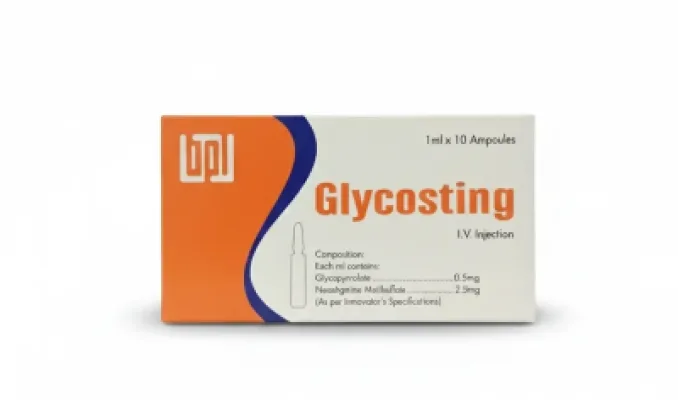
| Manufacturer | Various Pharmaceutical Companies |
| Active Ingredients | Glycopyrronium Bromide |
| Medicine Strength | 0.2mg per ml |
| Formulation | Solution for Intravenous/Intramuscular Injection |
| Requires Prescription? | Yes (Hospital Use - Physician prescription required) |
| Generics | Glycopyrrolate |
Glycopyrrolate Ingredients and Usage
The active ingredient is Glycopyrronium Bromide, a synthetic quaternary ammonium anticholinergic agent. It is administered parenterally in doses of 0.1-0.2mg for secretion control or bradycardia treatment, with dosage adjusted based on clinical indication.
Glycopyrrolate is clinically indicated for:
- Pre-anesthetic medication to reduce salivary and respiratory secretions
- Intraoperative and postoperative bradycardia management
- Peptic ulcer disease treatment
- Chronic drooling in neurological disorders
How Does Glycopyrrolate Work?
Glycopyrrolate provides anticholinergic effects through muscarinic receptor blockade:
- Muscarinic Antagonism: Competitively blocks acetylcholine at muscarinic receptors
- Secretion Reduction: Inhibits glandular secretions including salivary and bronchial
- GI Motility Reduction: Decreases gastrointestinal motility
- Cardiac Effects: Increases heart rate by blocking vagal stimulation
Glycopyrrolate Side Effects and Warnings
Common side effects include dry mouth, blurred vision, urinary retention, constipation, and tachycardia.
Serious Considerations
- Glaucoma Risk: May precipitate acute angle-closure glaucoma
- Urinary Retention: Can cause urinary retention in elderly men with BPH
- Cardiac Conditions: Use with caution in patients with tachycardia or heart disease
- GI Obstruction: Contraindicated in mechanical intestinal obstruction
Glycopyrrolate Storage Conditions
Glycopyrrolate Injection requires proper storage:
- Store at controlled room temperature 15-30°C
- Protect from light and freezing
- Keep in original container
- Use only if solution is clear
Customer Reviews
No reviews yet. Be the first to review this product!
Login to write a review