
No products in the cart.
new
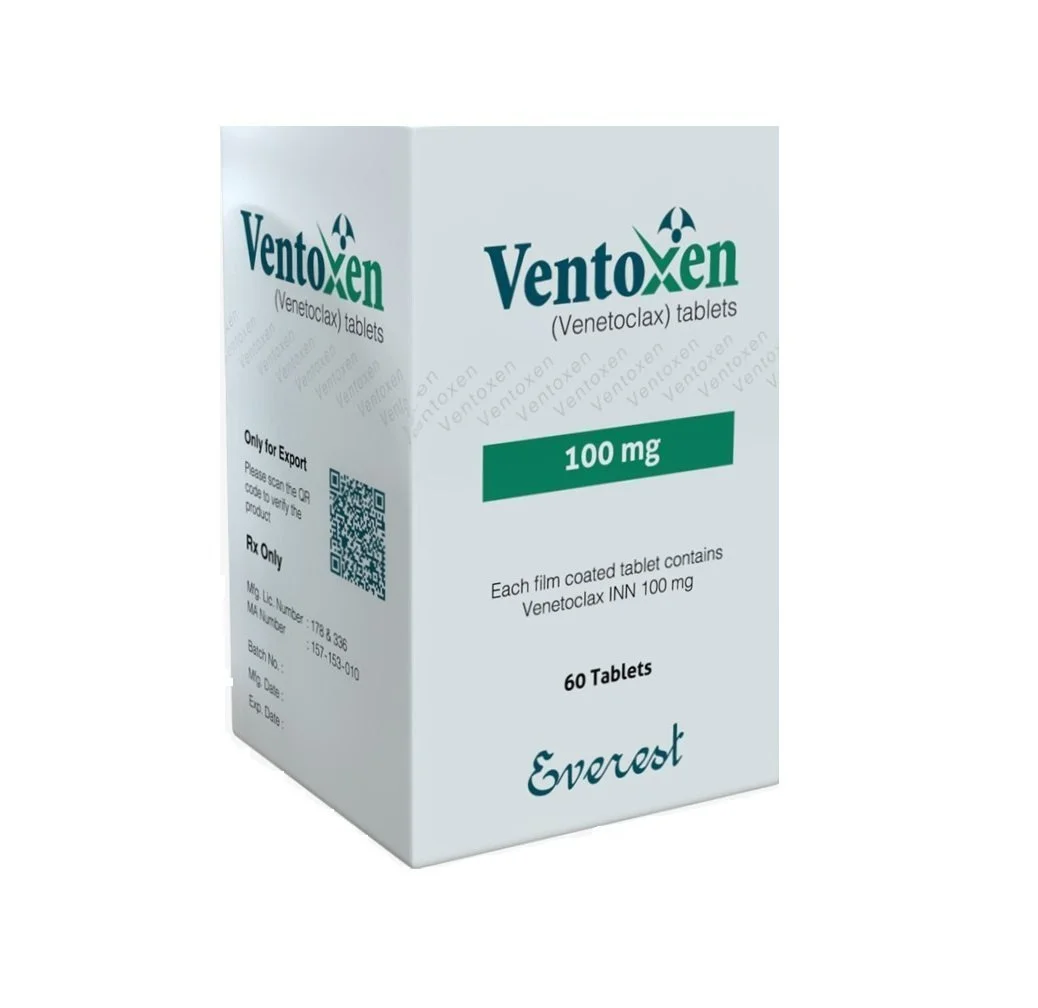
Ventoxen 100mg (Venetoclax)
Ventoxen 100mg is an effective medicine for CLL, SLL and AML Treatment. Order Ventoxen 100mg at PakMeds with a valid oncologist or haematologist prescription.
₨ 45,000
Ventoxen 100mg is a prescription oral BCL-2 inhibitor tablet containing Venetoclax, manufactured by Everest Pharmaceuticals Ltd. in Bangladesh as a cost-effective generic alternative to the originator Venclexta by AbbVie and Genentech. Ventoxen treats chronic lymphocytic leukemia, small lymphocytic lymphoma, and newly diagnosed acute myeloid leukemia in eligible adults. Each tablet contains 100mg of Venetoclax and is taken once daily with food. Order Ventoxen 100mg at PakMeds with a valid oncologist or haematologist prescription.
| Product Name | Ventoxen |
|---|---|
| Manufacturer | Everest Pharmaceuticals Ltd., Bangladesh |
| Active Ingredient | Venetoclax |
| Originator Brand | Venclexta by AbbVie Inc. and Genentech USA |
| Strength | 100 mg |
| Formulation | Oral Tablet |
| Prescription Required | Yes |
| Generic Name | Venetoclax |
Ventoxen Ingredients and Usage
Ventoxen contains Venetoclax, a potent, selective, and orally bioavailable small-molecule inhibitor of BCL-2 (B-cell lymphoma 2). BCL-2 is an anti-apoptotic protein overexpressed in the malignant cells of chronic lymphocytic leukemia (CLL), small lymphocytic lymphoma (SLL), and acute myeloid leukemia (AML), where it drives tumour cell survival and resistance to chemotherapy. Venetoclax belongs to the drug class of BCL-2 inhibitors. It was first approved by the FDA in April 2016 under the brand name Venclexta and was granted Breakthrough Therapy Designation for its activity in CLL.
Ventoxen is indicated for three conditions in adults. First, it treats CLL and SLL, with or without 17p deletion, alone or in combination with obinutuzumab (Gazyva), rituximab, or acalabrutinib. Second, it treats newly diagnosed AML in adults aged 75 years or older, or in adults with comorbidities that prevent the use of intensive induction chemotherapy, in combination with azacitidine, decitabine, or low-dose cytarabine. Crucially, Venetoclax works independently of p53 status, making it active in patients with TP53 mutations and 17p deletions where many other therapies fail.
Ventoxen is taken orally once daily with a meal and water, at approximately the same time each day. Tablets must be swallowed whole and must not be split, chewed, or crushed. For CLL and SLL, treatment begins with a mandatory 5-week dose ramp-up schedule — starting at 20mg daily in Week 1 and increasing weekly to 50mg, 100mg, 200mg, and finally 400mg — to reduce the risk of tumour lysis syndrome. The 100mg tablet is the third step in this ramp-up and is also used as a reduced dose during drug interactions. If a dose is vomited, the patient must not repeat it; the next scheduled dose should be taken as normal.
How Does Ventoxen Work?
BCL-2 is an anti-apoptotic protein that acts as a cell survival switch. Under normal conditions, BCL-2 prevents programmed cell death (apoptosis) by sequestering pro-apoptotic proteins such as BAX and BAK. Cancer cells exploit this mechanism by massively overexpressing BCL-2, effectively making themselves resistant to signals that would otherwise trigger their own destruction, including signals from conventional chemotherapy. In CLL cells, BCL-2 overexpression is a primary driver of disease persistence and treatment resistance.
Ventoxen’s Venetoclax selectively binds directly to the hydrophobic groove of the BCL-2 protein, displacing the pro-apoptotic proteins BAX and BAK that BCL-2 was holding captive. Once released, these proteins activate the mitochondrial apoptotic pathway, triggering a cascade of events that leads to programmed cell death in BCL-2-dependent cancer cells. Because this mechanism operates independently of functional p53, Venetoclax destroys cancer cells even in the presence of TP53 mutations or 17p deletions — genetic abnormalities that confer resistance to most standard chemotherapy regimens.
In the Phase 3 CLL14 trial, Venetoclax plus obinutuzumab versus chlorambucil plus obinutuzumab in previously untreated CLL produced a significantly higher rate of undetectable minimal residual disease in bone marrow and peripheral blood. In the Phase 3 VIALE-A trial for AML, Venetoclax plus azacitidine achieved a complete remission rate of 36.7% versus 17.9% for azacitidine alone, with a median overall survival of 14.7 months versus 9.6 months. Maximum plasma concentration following oral administration is reached 5 to 8 hours after each dose. Venetoclax has a half-life of approximately 26 hours and is metabolised predominantly by CYP3A4/5.
Ventoxen Side Effects
Ventoxen causes significant myelosuppression, particularly neutropenia, and carries a serious risk of tumour lysis syndrome during initiation and dose ramp-up. Blood counts and blood chemistries must be monitored throughout treatment. The most commonly reported adverse reactions from Venetoclax clinical trials in CLL and AML patients are listed below.
- Neutropenia — low white blood cell count, Grade 3 to 4 reported in 63% to 64% of CLL patients; neutrophil counts worsened in 97% to 100% of AML patients on combination therapy
- Diarrhoea — reported in approximately 43% of CLL monotherapy patients
- Nausea — reported in approximately 42% of CLL monotherapy patients
- Anaemia — low red blood cell count causing fatigue and pallor, reported in approximately 33% of CLL patients
- Upper respiratory tract infections — reported in approximately 36% of CLL patients
- Fatigue and generalised weakness — reported in approximately 32% of patients
- Thrombocytopenia — low platelet count causing bruising and bleeding, reported in approximately 29% of patients
- Musculoskeletal pain including joint and bone aches
- Peripheral oedema (swelling of the limbs)
- Persistent cough
- Headache and dizziness
- Hypokalaemia — low potassium levels, reported in approximately 18% of patients
- Tumour lysis syndrome — potentially fatal electrolyte imbalances triggered by rapid cancer cell breakdown, occurring as early as 6 to 8 hours after the first dose
- Serious infections — pneumonia (9%), febrile neutropenia (5%), and sepsis (5%) reported as serious adverse reactions in CLL monotherapy patients
Warnings
- Tumour lysis syndrome (TLS) — mandatory ramp-up required: Ventoxen can cause fatal TLS due to the rapid breakdown of cancer cells, releasing dangerous levels of potassium, phosphate, and uric acid into the blood. TLS can cause kidney failure, the need for dialysis, cardiac arrhythmias, and death. Changes in blood chemistries consistent with TLS can occur as early as 6 to 8 hours after the first dose and at each dose increase. All patients must be assessed for TLS risk before starting Ventoxen. Prophylactic hydration and anti-hyperuricemic agents must be given. Blood chemistries must be monitored before and after each dose increase. Higher-risk patients require intravenous hydration, more frequent monitoring, and hospitalisation. The 5-week dose ramp-up schedule is mandatory for CLL and SLL and must not be skipped.
- Contraindication — strong CYP3A inhibitors at initiation in CLL/SLL: Concomitant use of Ventoxen with strong CYP3A inhibitors (such as posaconazole, voriconazole, ketoconazole, and clarithromycin) at initiation and during the ramp-up phase is contraindicated in CLL and SLL patients, due to the substantially increased Venetoclax exposure and amplified TLS risk. A strong CYP3A inhibitor increased Venetoclax AUC by up to 90% in pharmacokinetic studies.
- Drug interaction — moderate CYP3A inhibitors and P-gp inhibitors: Concomitant use of Ventoxen with moderate CYP3A inhibitors (such as fluconazole, diltiazem, verapamil, and erythromycin) or P-gp inhibitors increases Venetoclax exposure and requires dose reduction. A 600mg single dose of rifampin — a P-gp inhibitor — increased Venetoclax Cmax by 106% and AUC by 78% in healthy subjects. Patients on these agents must be monitored closely for toxicities.
- Drug interaction — strong and moderate CYP3A inducers: Strong CYP3A inducers such as rifampin decreased Venetoclax Cmax by 42% and AUC by 71% in clinical studies, substantially reducing therapeutic efficacy. Concomitant use of Ventoxen with strong or moderate CYP3A inducers including carbamazepine, phenytoin, rifampin, bosentan, and efavirenz must be avoided. St John’s Wort preparations are contraindicated during Ventoxen treatment.
- Drug interaction — grapefruit and Seville oranges: Grapefruit and Seville orange products must not be consumed during Ventoxen treatment. Both contain natural CYP3A inhibitors that increase Venetoclax plasma exposure and raise the risk of TLS and other dose-related toxicities.
- Drug interaction — warfarin: Venetoclax is a weak inhibitor of CYP2C9. Patients taking warfarin concurrently with Ventoxen must have their INR monitored closely due to a risk of increased anticoagulant effect.
- Drug interaction — P-gp substrates: Venetoclax is an inhibitor of P-glycoprotein. Concomitant use with P-gp substrates must be avoided. If unavoidable, P-gp substrate doses must be taken at least 6 hours before Ventoxen.
- Severe neutropenia: Ventoxen causes clinically significant and recurrent neutropenia throughout treatment. Grade 3 to 4 neutropenia occurred in 63% to 64% of CLL patients in clinical trials. Complete blood counts must be monitored regularly. Dose interruption, dose reduction, or the use of granulocyte-colony stimulating factor (G-CSF) may be required. Patients must contact their doctor immediately if they develop fever or signs of infection.
- Multiple myeloma — contraindicated combination: Ventoxen must not be used in combination with bortezomib plus dexamethasone to treat multiple myeloma outside of controlled clinical trials. Increased mortality was observed in patients with multiple myeloma receiving this combination. Venetoclax is not indicated for multiple myeloma.
- Pregnancy: Venetoclax was fetotoxic in mice at exposures 1.2 times the human clinical AUC. Women of reproductive potential must use effective contraception during Ventoxen treatment and for at least 30 days after the final dose. Women must be advised of the potential risk to the fetus before starting therapy.
- Breastfeeding: Breastfeeding is contraindicated during Ventoxen treatment due to the potential for serious adverse reactions in the nursing infant.
- Liver impairment: Patients with severe hepatic impairment require more frequent monitoring for signs of Venetoclax toxicity. Dose reductions may be necessary as hepatic impairment reduces Venetoclax clearance.
- Live vaccines: Live or attenuated viral vaccines must not be administered during Ventoxen treatment or until B-cell recovery is confirmed following treatment completion, as Venetoclax substantially suppresses immune function.
- Prescription only: Ventoxen is a specialist oncology medicine available on prescription only. It must be prescribed by a qualified oncologist or haematologist and monitored with regular blood tests throughout treatment.
Ventoxen Storage Conditions
Store Ventoxen 100mg tablets at room temperature between 20°C and 25°C (68°F to 77°F). Brief excursions between 15°C and 30°C (59°F to 86°F) are permitted. Keep tablets in the original container with the lid tightly closed to protect them from moisture. Do not refrigerate or freeze the tablets.
Keep Ventoxen away from direct sunlight, heat sources, and damp environments such as bathrooms. Store all tablets out of reach of children. Do not use Ventoxen past the expiry date printed on the packaging. Dispose of unused or expired tablets through your pharmacist or as directed by applicable pharmaceutical waste disposal procedures in your region.
Reviews
There are no reviews yet.
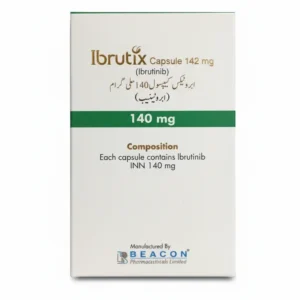
Ibrutix 140mg Capsule 120`s
Original price was: ₨ 229,322.₨ 80,000Current price is: ₨ 80,000.
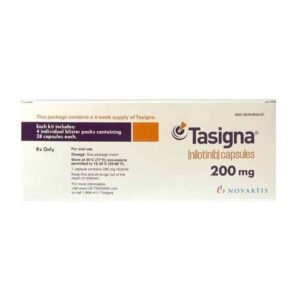
Tasigna 200mg Caps. 28`s
Original price was: ₨ 117,040.₨ 75,000Current price is: ₨ 75,000.
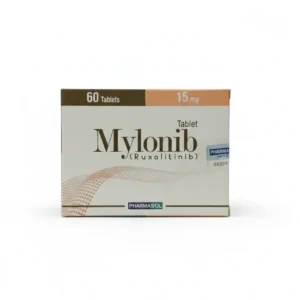
Mylonib 15mg 60 Tablets
Original price was: ₨ 201,780.₨ 120,000Current price is: ₨ 120,000.
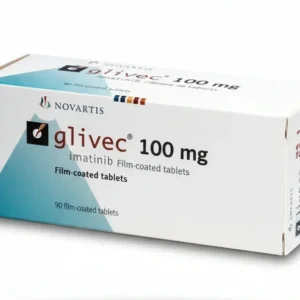
Glivec 100mg Tabs. 90`s
Original price was: ₨ 95,000.₨ 70,000Current price is: ₨ 70,000.
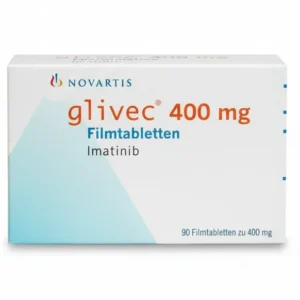
Glivec 400mg Tabs. 90`s
Original price was: ₨ 80,500.₨ 68,000Current price is: ₨ 68,000.
(0 customer reviews)