
No products in the cart.
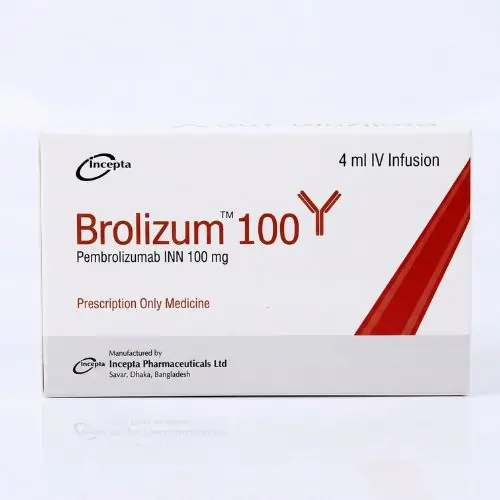
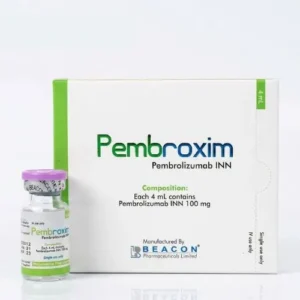
Brolizum (Pembroluzimab) 100mg
Buy Brolizum online with a valid prescription at PakMeds. We deliver authentic and well-sourced cancer care medication all across Pakistan in 1 to 3 days.
₨ 180,000
Brolizum is a prescription cancer immunotherapy injection containing Pembrolizumab, a PD-1 blocking monoclonal antibody used to treat melanoma, head and neck cancer, Hodgkin lymphoma, and stomach cancer. Each vial delivers 100 mg of Pembrolizumab in 4 ml of solution for slow intravenous infusion. Buy Brolizum at PakMeds with a valid prescription from your oncologist.
| Product Name | Brolizum |
|---|---|
| Generic Name | Pembrolizumab |
| Active Ingredient | Pembrolizumab (humanized monoclonal IgG4 kappa antibody) |
| Strength | 100 mg / 4 ml |
| Pack Size | 1 Vial |
| Formulation | Solution for Intravenous Infusion |
| Prescription Required | Yes |
Brolizum Ingredients and Usage
Brolizum contains Pembrolizumab, a humanized monoclonal IgG4 kappa antibody with an approximate molecular weight of 149 kDa. It belongs to the drug class of PD-1 inhibitors, also known as immune checkpoint inhibitors. Pembrolizumab is produced in recombinant Chinese hamster ovary (CHO) cells under controlled biopharmaceutical manufacturing conditions.
Brolizum is indicated for the treatment of several advanced cancers, including unresectable or metastatic melanoma, non-small cell lung cancer (NSCLC), head and neck squamous cell carcinoma, classical Hodgkin lymphoma, and gastric or gastroesophageal junction adenocarcinoma. It is used when the cancer has spread, cannot be removed by surgery, or has not responded to prior treatment. Brolizum is administered as a slow intravenous infusion over 30 minutes, typically every 3 to 6 weeks depending on the cancer type and treatment protocol.
How Does Brolizum Work?
PD-1 (programmed death receptor 1) is an immune checkpoint protein on the surface of T-cells — the white blood cells responsible for fighting cancer. Cancer cells survive by producing PD-L1 and PD-L2 ligands, which bind to the PD-1 receptor and instruct T-cells to stop attacking, allowing tumors to grow unchecked. Brolizum blocks this evasion mechanism directly.
Pembrolizumab binds with high selectivity to the PD-1 receptor on T-cells, preventing PD-L1 and PD-L2 from attaching. This removes the suppressive signal sent to T-cells and restores their ability to recognize and destroy tumor cells. Clinical studies show a 74.1% twelve-month survival rate in melanoma patients treated with Pembrolizumab, compared to 58.2% for those receiving the older checkpoint inhibitor ipilimumab. In patients with advanced NSCLC expressing PD-L1 at a score above 50%, Pembrolizumab extended median survival to 17.3 months versus 8.2 months for standard chemotherapy.
Because Brolizum targets a shared pathway across tumor types, the FDA classified Pembrolizumab as the first tissue-agnostic cancer drug in 2017 — approved based on a tumor’s genetic profile rather than its location in the body.
Brolizum Side Effects
Brolizum activates the immune system broadly, which can cause it to attack healthy tissues in addition to cancer cells. The most common side effects reported in clinical trials include the following.
- Fatigue and generalized weakness
- Musculoskeletal pain, including joint and muscle aches
- Skin rash, itching (pruritus), and redness
- Diarrhea, nausea, vomiting, and abdominal pain
- Decreased appetite and unintended weight loss
- Constipation
- Fever (pyrexia)
- Cough and shortness of breath (dyspnea)
- Hypothyroidism — low thyroid hormone levels detectable by blood test
- Elevated liver enzymes (abnormal liver function tests)
- Infusion reactions: chills, flushing, fever, low blood pressure, or wheezing during or after intravenous administration
Warnings
- Immune-mediated adverse reactions: Brolizum can trigger severe inflammation in the lungs (pneumonitis), bowels (colitis), liver (hepatitis), kidneys (nephritis), thyroid gland, pituitary gland, and other organs. These reactions can be life-threatening. Patients must be monitored closely throughout treatment and after discontinuation.
- Pregnancy: Pembrolizumab can harm an unborn baby. Women who can become pregnant must use effective birth control during treatment and for 4 months after the last dose. A negative pregnancy test is required before starting therapy.
- Breastfeeding: Do not breastfeed during treatment or for 4 months after the final dose. The risk of serious side effects in a breastfed infant is considered significant.
- Drug interaction — thalidomide analogues: Brolizum must not be used alongside lenalidomide, pomalidomide, or thalidomide. Increased mortality has been reported in multiple myeloma patients receiving Pembrolizumab in combination with these agents.
- Organ and stem cell transplant patients: Brolizum significantly raises the risk of organ transplant rejection. Patients who have received or are scheduled to receive an allogeneic stem cell transplant face a risk of serious graft-versus-host disease (GVHD). Discuss this with your oncologist before starting treatment.
- Pre-existing immune conditions: Patients with autoimmune diseases such as Crohn’s disease, ulcerative colitis, lupus, myasthenia gravis, or Guillain-Barré syndrome must inform their doctor before receiving Brolizum, as treatment may worsen these conditions.
- Blood sugar and lipids: Brolizum can raise blood glucose levels and elevate cholesterol and triglycerides. Diabetic patients and those with existing lipid disorders require additional monitoring during treatment.
- Prescription only: Brolizum is a prescription-only oncology medicine. It must be administered under specialist supervision in a clinical or hospital setting. Self-administration is not appropriate for this product.
Brolizum Storage Conditions
Store Brolizum vials in a refrigerator at 2°C to 8°C (36°F to 46°F). Do not freeze the vials and do not shake them, as agitation may degrade the antibody. Protect the vials from direct light at all times — store them in the original carton until the point of use.
Once diluted for intravenous infusion, the prepared solution may be stored at room temperature (up to 25°C / 77°F) for no longer than 6 hours, or refrigerated at 2°C to 8°C for up to 24 hours from the time of preparation. Any unused portion remaining in the vial must be discarded — Brolizum is a single-use, preservative-free formulation. Keep all vials out of reach of children and away from heat sources.
Reviews
There are no reviews yet.
(0 customer reviews)