No products in the cart.
-45%
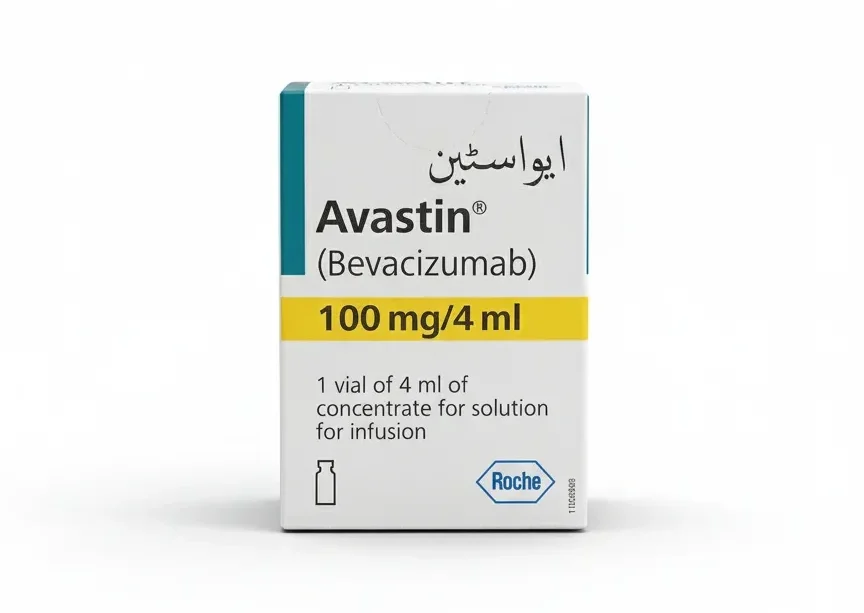
Avastin 400mg/16 ml (1 vial)
Avastin 400 mg/16 mL (Bevacizumab) is a critical, high-dose biological therapy used to treat various advanced or metastatic solid tumors, including colorectal, lung, kidney, ovarian, and cervical cancers. Buy Avastin 400mg at PakMeds with a valid oncologist prescription.
Original price was: ₨ 137,400.₨ 75,000Current price is: ₨ 75,000.
| Manufacturer | Roche (Genentech/Novartis globally) / Local authorized distributor |
| Active Ingredients | Bevacizumab |
| Medicine Strength | 25 mg/mL (400 mg total in 16 mL vial) |
| Number Per Pack | 1 Single-Use Vial (16 mL) |
| Requires Prescription? | Yes (Oncologist/Specialist Prescription) |
| Generics | Bevacizumab (Biosimilars available) |
Avastin 400 mg/16 mL Ingredients and Usage
The active ingredient is Bevacizumab, a recombinant humanized monoclonal antibody. It is supplied as a sterile, preservative-free concentrate that requires dilution before being administered as an intravenous (IV) infusion.
Avastin is typically used in combination with standard chemotherapy regimens to enhance treatment efficacy against:
- Metastatic Colorectal Cancer (mCRC)
- Non-Small Cell Lung Cancer (NSCLC) (non-squamous)
- Metastatic Renal Cell Carcinoma (mRCC)
- Epithelial Ovarian, Fallopian Tube, or Primary Peritoneal Cancer
- Recurrent Glioblastoma (Brain Tumor)
How Does Avastin Work?
Avastin’s therapeutic action is based on its ability to block the essential nutrient and oxygen supply route for tumors. The core mechanism is:
- VEGF Neutralization: Bevacizumab specifically binds to and neutralizes Vascular Endothelial Growth Factor (VEGF), the primary protein responsible for inducing the formation of new blood vessels.
- Angiogenesis Inhibition: By preventing VEGF from binding to its receptor (VEGFR) on the endothelial cells, the drug effectively blocks the complex process of angiogenesis (new blood vessel formation).
- Tumor Starvation: This leads to the regression of existing, immature tumor vasculature and prevents the development of new blood vessels, thereby slowing tumor growth, inhibiting metastasis, and potentially normalizing remaining blood vessels to improve chemotherapy delivery.
Avastin 400 mg/16 mL Side Effects and Warnings
Avastin is associated with significant, serious risks due to its mechanism of action. Patients must be monitored closely for all potential adverse events.
Black Box Warnings and Critical Precautions:
- Gastrointestinal Perforation: A serious, potentially fatal risk. Avastin can cause perforations (holes) in the bowel. This risk is managed by careful patient selection and continuous monitoring.
- Hemorrhage (Severe Bleeding): Increased risk of severe bleeding events, including gastrointestinal hemorrhage, bleeding in the lungs (pulmonary hemorrhage/hemoptysis), and bleeding in the brain. Avastin must be discontinued in patients who experience serious hemorrhage.
- Wound Healing Complications: The drug can significantly impair the healing process of surgical wounds. It is strictly contraindicated in patients with unhealed wounds or before recent major surgery (typically withheld 28 days pre- and post-surgery).
- Hypertension: Severe and persistent high blood pressure (hypertension) is a frequent side effect and requires aggressive management.
- Arterial Thromboembolic Events (ATE): Increased risk of potentially fatal events like stroke (cerebrovascular accident) and myocardial infarction (heart attack).
Avastin 400 mg/16 mL Storage Conditions
Avastin is a temperature-sensitive biological drug requiring strict cold storage protocols:
- Store the unopened vial in a refrigerator at a temperature between 2°C and 8°C (36°F and 46°F).
- DO NOT FREEZE. Freezing can denature the monoclonal antibody protein, leading to loss of activity.
- Protect from Light: Keep the vial in the original carton to protect the solution from light.
- Dilution and Stability: The concentrate must be diluted in 0.9% Sodium Chloride solution. The diluted solution is generally stable for up to 24 hours at 2°C to 30°C but should be used as soon as possible after preparation.
Paclitaxel 100mg (AqVida)
Original price was: ₨ 17,274.₨ 7,000Current price is: ₨ 7,000.
Kemocarb 150mg/45ml Inj. 1`s
Original price was: ₨ 4,185.₨ 3,400Current price is: ₨ 3,400.
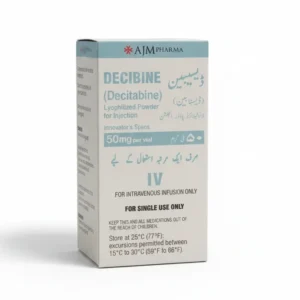
Decibine 50mg IV Inj. 1`s
Original price was: ₨ 31,604.₨ 22,000Current price is: ₨ 22,000.
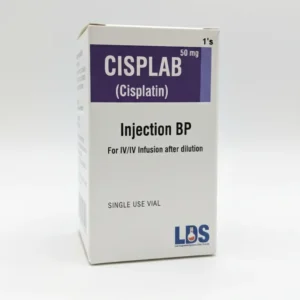
Cisplab (Cisplatin) 50mg LDS
Original price was: ₨ 2,147.₨ 1,800Current price is: ₨ 1,800.