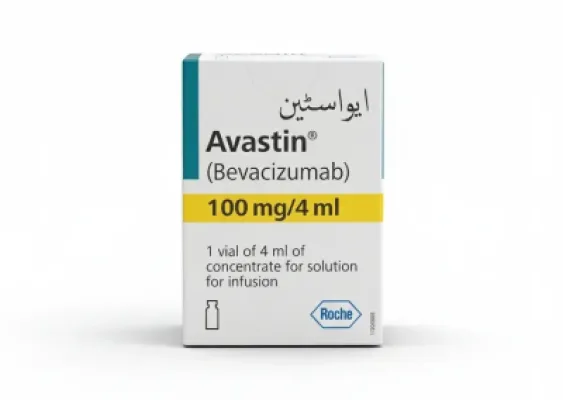
Avastin 100mg/ 4ml Injection (Bevacizumab)
Avastin 100mg/4ml Injection contains bevacizumab, a monoclonal antibody that blocks tumor blood vessel growth, used across metastatic colorectal, lung, kidney, ovarian, and cervical cancer. Buy Avastin 100mg/4ml Injection at PakMeds with a valid prescription for genuine, imported Roche stock.
Overview
A qualified oncology team administers it as an intravenous infusion combined with other chemotherapy agents.
Manufacturer | Roche Holding AG |
|---|---|
Active Ingredient(s) | Bevacizumab |
Strength | 100mg/4ml (25mg/ml) |
Pack Size | 1 vial |
Prescription Required | Yes |
Generic Name(s) | Bevacizumab |
Avastin 100mg/4ml Injection Ingredients and Usage
Avastin 100mg/4ml Injection contains bevacizumab, a recombinant humanized monoclonal antibody belonging to the angiogenesis inhibitor drug class. Oncologists prescribe it combined with fluoropyrimidine based chemotherapy for metastatic colorectal cancer, and with paclitaxel for metastatic breast cancer.
Avastin 100mg/4ml Injection also treats non small cell lung cancer, metastatic renal cell carcinoma, cervical cancer, glioblastoma, and platinum sensitive or platinum resistant ovarian, fallopian tube, or peritoneal cancer, always combined with other approved chemotherapy regimens. The smaller vial size allows precise dose adjustment alongside the 400mg vial for patients of varying body weight. Avastin is not indicated for adjuvant treatment of colon cancer.
How Does Avastin 100mg/4ml Injection Work?
Bevacizumab binds to and neutralizes vascular endothelial growth factor, a protein that tumors release to stimulate the growth of new blood vessels. This process, called angiogenesis, is what allows tumors to receive the oxygen and nutrients needed for growth.
By blocking this signal, Avastin 100mg/4ml Injection prevents endothelial cells from forming new blood vessels around the tumor. This starves the tumor of its blood supply, slowing growth and, in some cases, causing shrinkage when combined with standard chemotherapy.
Avastin 100mg/4ml Injection Side Effects
Avastin 100mg/4ml Injection commonly causes blood pressure, nasal, and general side effects.
High blood pressure
Nosebleeds
Headache
Protein in the urine
Taste changes
Dry skin
Fatigue
Warnings
Avastin 100mg/4ml Injection can cause gastrointestinal perforation and fistula formation; treatment must be permanently discontinued if this occurs.
The medicine can cause serious wound healing complications; treatment should be withheld for at least four weeks before and after major surgery.
Avastin 100mg/4ml Injection increases the risk of severe bleeding, including coughing up blood; discontinue permanently for serious hemorrhage.
The medicine raises the risk of arterial thromboembolic events, including stroke and heart attack, as well as venous blood clots; discontinue for severe arterial events or life threatening venous clots.
Hypertension is common and must be monitored and treated; treatment should be discontinued for hypertensive crisis or hypertensive encephalopathy.
Avastin 100mg/4ml Injection can cause posterior reversible encephalopathy syndrome and nephrotic syndrome; treatment must be discontinued if either occurs.
Avastin 100mg/4ml Injection can cause fetal harm and is not recommended in pregnancy; breastfeeding is not recommended during treatment due to potential harm to the infant.
Avastin 100mg/4ml Injection Storage Conditions
Store Avastin 100mg/4ml Injection refrigerated between 2°C and 8°C, and do not freeze or shake the vial. Protect the vial from light and keep it in its original carton until immediately before use. Store this medicine out of reach of children and ensure only trained healthcare staff handle preparation and administration.
Customer Reviews
No reviews yet. Be the first to review this product!
Login to write a review