No products in the cart.
-50%
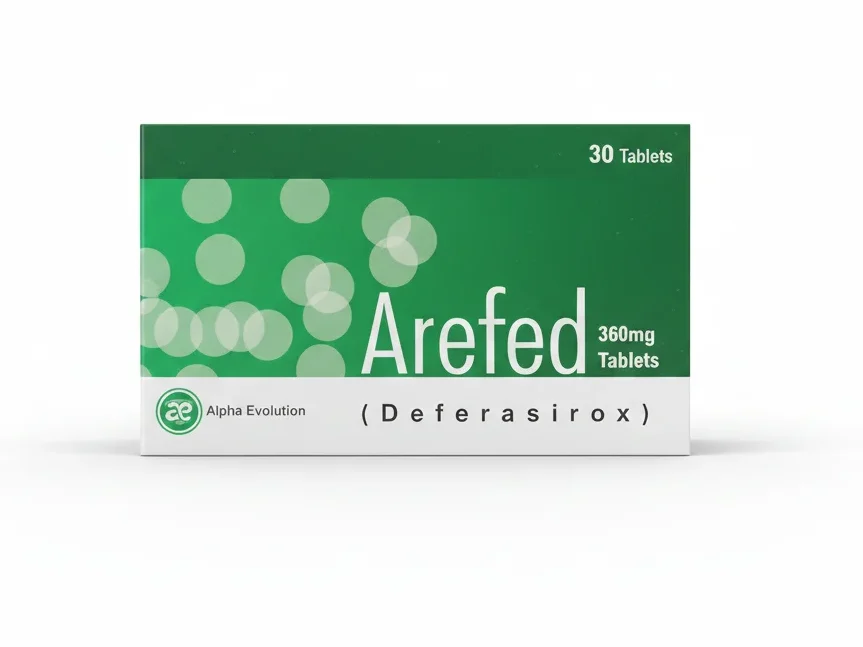
Arefed 360mg Tabs. 30`s
Arefed 360 mg Tablet contains Deferasirox, a crucial, once-daily medication used to treat chronic iron overload (hemochromatosis). Buy this essential hematology medication at PakMeds with a valid specialist prescription.
Original price was: ₨ 11,013.₨ 5,500Current price is: ₨ 5,500.
| Manufacturer | Alpha Evolution |
| Active Ingredients | Deferasirox |
| Medicine Strength | 360 mg per Film-Coated Tablet |
| Number Per Pack | Varies (e.g., 30 Tablets) |
| Requires Prescription? | Yes (Hematologist/Specialist Prescription) |
| Generics | Deferasirox (e.g., Exjade, Jadenu) |
Arefed 360 mg Ingredients and Usage
The active ingredient is Deferasirox, an oral iron chelating agent. The 360 mg film-coated tablet is designed for oral administration.
Arefed 360 mg is clinically used for:
- Transfusional Iron Overload: Treating chronic iron overload resulting from frequent blood transfusions in patients aged 2 years and older.
- Non-Transfusion-Dependent Thalassemia (NTDT): Treating chronic iron overload associated with thalassemia syndromes in patients aged 10 years and older who do not require regular transfusions.
How Does Arefed Work?
Deferasirox belongs to the class of chelating agents, which function like molecular “claws” to grab heavy metals in the body:
- Iron Binding: Deferasirox has a high affinity for iron, specifically binding to the excess Fe³⁺ (ferric iron) that is not bound to transferrin or ferritin.
- Chelate Formation: It forms a stable, non-toxic complex (chelate) with the iron, which is predominantly excreted via the bile and, subsequently, in the stool.
- Iron Reduction: This action reduces the total iron burden in the body, preventing the toxic free iron from causing oxidative damage to vital organs. The 360 mg dose is a common maintenance strength adjusted based on the patient’s body weight and serum ferritin levels.
Arefed 360 mg Side Effects and Warnings
Treatment with Deferasirox requires strict adherence to dosing and frequent laboratory monitoring to manage potentially serious side effects. Common side effects may include gastrointestinal disturbances like diarrhea, nausea, vomiting, and abdominal pain, as well as skin rash.
Black Box Warnings and Critical Precautions:
- Renal (Kidney) Toxicity: Deferasirox can cause or worsen acute kidney failure and renal tubular dysfunction. Regular monitoring of serum creatinine, creatinine clearance, and urine protein is required. Dose adjustment or interruption may be necessary.
- Hepatic (Liver) Toxicity: Severe, sometimes fatal, hepatic failure can occur. Liver transaminases (ALT/AST) and bilirubin must be monitored frequently (e.g., every 4 weeks).
- Gastrointestinal Hemorrhage: Serious, sometimes fatal, gastrointestinal hemorrhage and ulceration, particularly in elderly patients with blood cancer or low platelet counts, have been reported. Patients should be monitored for signs of bleeding (e.g., bloody or black stools, vomiting blood).
- Severe Skin Reactions: Rare but life-threatening severe cutaneous adverse reactions (SCARs) such as Stevens-Johnson syndrome (SJS) and Toxic Epidermal Necrolysis (TEN) have been reported. Discontinuation is required if a SCAR is suspected.
Arefed 360 mg Storage Conditions
Arefed film-coated tablets should be stored under specific conditions to maintain their stability:
- Store the tablets at controlled room temperature, typically between 20°C and 25°C (68°F and 77°F).
- Keep the tablets in the original container, protected from moisture.
- Administration: Tablets can be swallowed whole with water or, if necessary, crushed and mixed with a small amount of soft food (like yogurt or applesauce) and taken immediately. Avoid taking the medication with a heavy or high-fat meal.
- Keep out of the reach of children.