
No products in the cart.
-10%
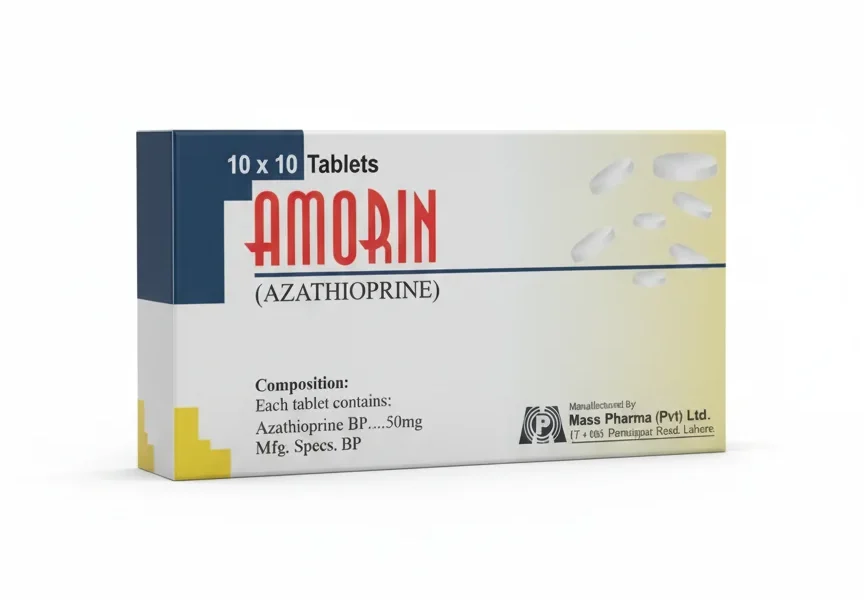
Amorin 50 mg (100 Tablets)
Amorin 50 mg Tablet is an effective anti-arrhythmic medication used to manage and prevent various types of serious, life-threatening cardiac arrhythmias (irregular heart rhythms), including ventricular and supraventricular tachycardias (fast heart rates). Buy this critical, prescription-only heart medication at PakMeds.
Original price was: ₨ 2,500.₨ 2,250Current price is: ₨ 2,250.
| Manufacturer | Popular/Local Pharmaceutical Company (e.g., Atco, OBS, etc.) |
| Active Ingredients | Amiodarone Hydrochloride |
| Medicine Strength | 50 mg per Tablet |
| Number Per Pack | Typically 10 to 30 Tablets |
| Requires Prescription? | Yes (Specialist Cardiologist Prescription) |
| Generics | Amiodarone, Amiodarone Hydrochloride |
Amorin 50 mg Ingredients and Usage
The main active ingredient is Amiodarone Hydrochloride, an anti-arrhythmic drug of the Class III type. Amiodarone has complex electrophysiological effects, making it effective against a wide range of rhythm disturbances.
Amorin 50 mg is clinically used for the management and prophylaxis of:
- Ventricular Arrhythmias: Including recurrent Ventricular Tachycardia (VT) and Ventricular Fibrillation (VF) that are refractory (resistant) to other treatments.
- Supraventricular Arrhythmias: Including Atrial Fibrillation (AF) and Atrial Flutter, particularly when other drugs are contraindicated or ineffective.
The 50 mg strength may be used for a maintenance dose or for starting treatment, depending on the patient’s condition and the total daily dosage prescribed.
How Does Amorin Work?
Amiodarone works by blocking several ion channels in the heart, leading to a prolongation of the refractory period and a slowing of cardiac conduction. Its primary classification is Class III, but it exhibits properties of all four Vaughn-Williams classes:
- Prolongation of Action Potential: Its main effect is blocking the potassium currents (primarily IKs and IKr) responsible for repolarization. This prolongs the action potential duration and the effective refractory period in atrial, nodal, and ventricular tissues.
- Slowing Conduction: It also blocks sodium channels (Class I effect) and calcium channels (Class IV effect), which slows conduction velocity.
- Beta-Blockade: It has non-competitive adrenergic blocking activity (Class II effect), which can also slow the heart rate.
These combined actions stabilize the heart rhythm, making the heart tissue less excitable and preventing the re-entrant pathways that cause dangerous arrhythmias.
Amorin 50 mg Side Effects and Warnings
Amiodarone has a long half-life and can accumulate in the body, leading to several serious, dose-related toxicities. Due to these risks, its use requires frequent and comprehensive monitoring (ECG, liver function, thyroid function, pulmonary function).
Black Box Warnings and Critical Precautions:
- Pulmonary Toxicity: Amiodarone can cause severe, potentially fatal, Pulmonary Fibrosis (lung scarring) and interstitial pneumonitis. Symptoms include shortness of breath and cough. Chest X-rays and pulmonary function tests must be done regularly.
- Hepatotoxicity (Liver Damage): Severe liver injury, including fatal hepatic failure, has been reported. Liver function tests (LFTs) should be monitored closely.
- Thyroid Dysfunction: Amiodarone contains iodine and can cause both Hypothyroidism (underactive thyroid) and Hyperthyroidism (overactive thyroid). Thyroid function must be monitored every 3 to 6 months.
- Ocular (Eye) Effects: Deposits in the cornea are common and usually harmless, but optic neuropathy, potentially leading to permanent blindness, is a rare but serious risk.
- Proarrhythmia: Paradoxically, Amiodarone can worsen existing arrhythmias or cause new ones, including the serious rhythm Torsades de Pointes.
Amorin 50 mg Storage Conditions
Amorin Tablets should be stored under standard conditions to maintain stability:
- Store the tablets at controlled room temperature, typically between 20°C and 25°C (68°F and 77°F).
- Keep the tablets in the original blister pack or container to protect them from moisture and light.
- Keep out of the reach of children.
- Do not use the medicine after the expiry date printed on the packaging.
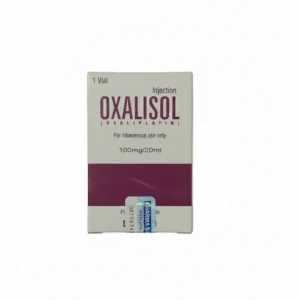
Oxalisol 100mg IV Inj. 1`s
Original price was: ₨ 2,500.₨ 2,000Current price is: ₨ 2,000.
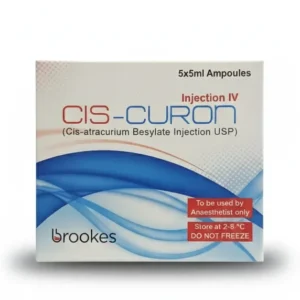
Cis-Curon IV Injection 5ml 1X5s
Original price was: ₨ 4,000.₨ 3,500Current price is: ₨ 3,500.
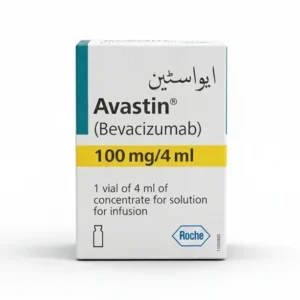
Avastin 400mg/16 ml (1 vial)
Original price was: ₨ 137,400.₨ 75,000Current price is: ₨ 75,000.